
🇱🇰 Need a Bulk Order? 📦 Custom Sri Lankan Products ✨ Personalized Shipping Quotes 💬 Chat with Us



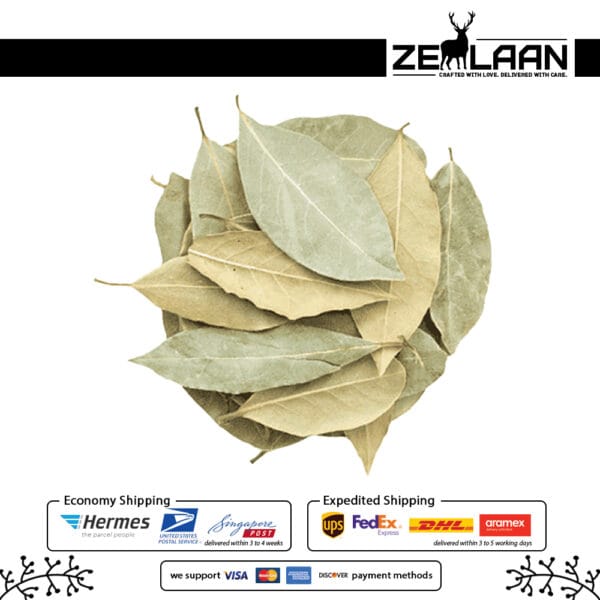
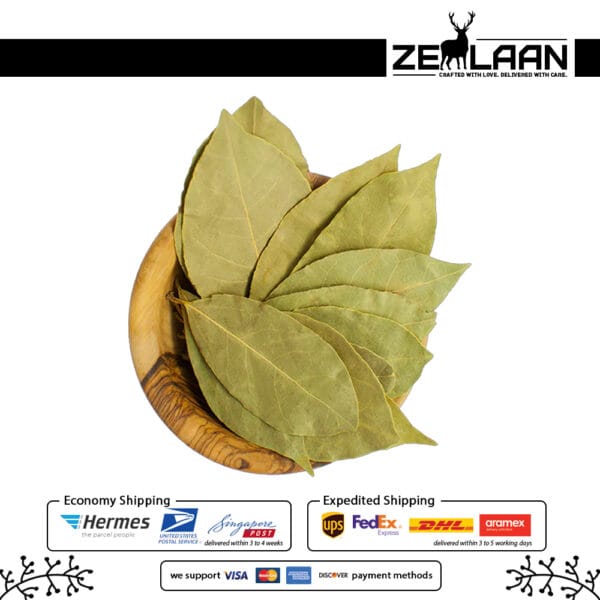

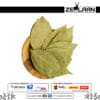
Organic Premium Ceylon Bay Leaves from Sri Lanka
Price range: $14.49 through $23.49
Ceylon Bay Leaves, Out in the misty hills of central Sri Lanka, thick green leaves gather slowly under forest shade. These are not your usual bay – they come from trees that also give cinnamon, bringing warmth like clove and spice-heavy air. Instead of rushing sun-dry, they rest in cool dimness so nothing strips their rich scent or golden hue. Every batch skips fake perfumes, brightening powders, or harsh treatments entirely.
Organic Premium Ceylon Bay Leaves from Sri Lanka Available in 250g 500g 750g 1kg
Handpicked Ceylon Bay Leaves. Top shelf quality every time. These come straight from farms in Sri Lanka.
That quiet leaf tucked into soups and stews does more than most realize – rarely seen, always felt if treated right, strangely hollow if missing. When slow heat draws out its scent, it weaves through meats and rice like an echo, deepening flavours without announcing itself.
Yet so often it sits forgotten in spice cupboards, dried to dust, tossed in by reflex, doing little but taking up space. Its power shows only when fresh, whole, warmed gently in oil or broth – then it lifts everything around it, unseen, undeniable.
A real bay leaf, fresh and fully dried, stands far apart from the dusty bits found in most store-bought jars. Not just colour but life lives inside a quality leaf – bend it slightly and rich scent spills out fast.
Though old ones snap without aroma, they’ll add nothing at all to what you’re cooking. Only when the smell hits right away does the leaf still carry strength.
From misty highland farms in central Sri Lanka come these hand-gathered Ceylon Bay Leaves, picked just as their scent hits its strongest. Grown without synthetic inputs under thick jungle canopy, they’re part of a traditional agroforestry system passed through generations.
Instead of sun-baking, slow drying happens out of direct light – this keeps pigments rich and stops delicate vapors escaping too soon. What lands in your kitchen burns brighter in aroma, deeper in taste, layered like woodsmoke and citrus peel.
Not the common Laurus nobilis found across Europe, but a rarer relative entirely, shaped by tropical soil and altitude into something bolder, wilder on the tongue.
How Ceylon Bay Leaves Stand Out?
Most people buying bay leaves at stores get Laurus nobilis – found everywhere from Europe to supermarket shelves worldwide. These come from the Mediterranean region, part of the laurel group.
Not quite the same: Ceylon types are actually Cinnamomum tamala, linked closely to cinnamon plants instead. Known as Indian bay leaf or tejpat, they form a separate botanical branch altogether.
Dried, both kinds appear much alike at first glance. Yet their scent gives them away – one whiff reveals distinct differences. Flavors diverge too, far beyond just appearance.
Out of the two, it is the Ceylon type that carries a deeper scent, laced with clove, a whisper of cinnamon, hints of citrus too – kinship with the cinnamon tree shows clearly here.
While European bay leans quiet, almost shy, with just a touch of flower-like grace and soft green tones, its island cousin builds bolder impressions. Dishes from South Asia welcome this warmth like an old habit, fitting seamlessly among turmeric, ginger, cardamom.
The spice doesn’t shout; instead, it settles in, rounds out, becomes part of the background hum. You notice absence more than presence, once it’s gone.
From Sri Lanka, these Ceylon Bay Leaves pack extra eugenol and myrcene – natural oils that give them a spicy, clove-tinged scent plus layered fragrance. Because the oil levels run higher, just a few leaves add strong taste, filling dishes with bold aroma that lasts while simmering.
Whole leaves only make it into each pack – kept intact because gentle drying under shade locks in both rich green tones and vital oils. Not a single broken piece slips through, thanks to slow air exposure instead of harsh heat that ruins texture and hue.
Stems stay behind, bits get left out, nothing added ever taints the mix. Fragrance comes purely from nature, never boosted by lab-made scents or treated with synthetic touch.
Farmed under strict organic standards, using no lab-made chemicals on the crops. Natural methods only in the fields, so nothing fake goes into the soil.
During production, it skips all synthetic scents and coloring agents entirely. Even sterilisation through radiation is left out by design. Preservatives – any type – are nowhere near this process.
One source only. Not genetically modified. Contains no synthetic scents, colors, radiation treatment, or added preservatives.
The Flavour What to Actually Expect from our Ceylon Bay Leaves
Warmth defines the taste of Ceylon Bay Leaves, layered with depth and sharp spice. Clove stands out first, then cinnamon follows close behind. A hint of citrus peeks through, light but clear.
The aftertaste feels fresh, faintly like tree sap. These leaves speak louder than their European cousins. In South Asian dishes, they find their place easily – matching step for step with familiar spices.
Their richness fits right into the rhythm of those recipes.
Whole, these leaves go into slow stews, letting taste seep out bit by bit as hours pass. Before eating, take them out – they stay stringy no matter how long cooked, awkward on the tongue.
A light crack just beforehand splits open their cells, helping aroma spread faster through the meal, quietly lifting what the leaf brings to the bowl. That small step changes how deeply it shapes the result.
Using Ceylon Bay Leaves in Cooking
A small bend does wonders. Try folding the herb just a touch prior to tossing it in. That little crease opens up its skin, setting free what’s inside without delay.
Oils flow out fast instead of waiting. Taste shifts right away, sharper, clearer. You will know it when you smell it.
Warmth from Ceylon bay leaves slips into biryanis, weaving through spiced rice as they sizzle in ghee at the start. Alongside cardamom, cloves, cinnamon, and star anise, they bloom slowly, releasing a scent close to clove but softer.
That quiet depth lingers beneath stronger spices, building richness drop by drop. While others shout, these leaves murmur – felt more than noticed. By the time steam lifts the lid, their presence is already curled into every grain.
Start with whole leaves when braising meat slowly. Toss in two or three at the start, whether it’s lamb, beef, poultry, or pork.
As hours pass, warmth spreads through the dish, quietly building richness. Flavor seeps out bit by bit, layering into the liquid. That subtle scent rising near the finish? Often comes from these quiet herbs doing their work beneath the surface.
Starting with simmering liquids, Ceylon Bay Leaves often find their way into the mix through a tied bundle of herbs known as bouquet garni. Not limited to just any pot, they bring something distinct when used in stocks or light cooking waters meant to extract flavor slowly.
What stands out about Ceylon variety is its deeper warmth compared to the usual Mediterranean kind. Instead of fading into the background, it shapes the foundation with richer notes that linger longer on the nose.
Warmth seeps into the oil when Ceylon bay leaves hit the pan early in cooking, mingling with fats that spread their scent across every bite.
These leaves find purpose in rich curries built on meats, or simmered lentils, even root vegetables softened by long heat. A steady hum of spice lingers below the surface, rising quietly where depth matters most.
Warmth seeps into jars when whole Ceylon Bay Leaves slip into vegetable, egg, or meat brines. Carried along by slow soaking, their scent builds quiet depth across days.
Eugenol inside each leaf quietly resists spoilage, doing unseen work behind taste. Not just aroma – structure forms where flavour settles.
Bursting into a pot of simmering rice, a single leaf can shift the entire mood. Not loud, just there – soft spice threading through each grain.
Try it with quinoa too; that quiet depth fits whatever comes alongside. Even plain becomes something else when warmth hides in the steam.
Start with a couple of Ceylon Bay Leaves when simmering soups or rich sauces. These quietly shape the scent of tomato-based liquids, minestrones, or French onion pots through hours of gentle cooking.
Their presence becomes something felt more than noticed – subtle yet crucial. They belong in long cooks, never left in by accident at the table. Take them out once the dish finishes.
Hidden among staples like rice or flour, just tuck in a couple of whole Ceylon Bay Leaves inside closed jars. Generations have leaned on them quietly, keeping tiny invaders such as weevils and moths at bay.
No lab-made fixes needed – just an old habit that keeps working without fanfare.
Start strong – two whole leaves go into simmering water for ten minutes. Pull them out before adding honey, then slip in a slice of ginger.
A quiet staple shows up here, common in kitchens from southern Asia through parts of the Mediterranean. The result? Warmth with aroma, soft spice notes weaving into a crisp aftertaste.
Rooted in meals and moments, never medicine – it stays where cooking lives.
Grade No 1 Explained?
Whole Ceylon Bay Leaves, smooth and unbroken, set the standard for quality through their rich green hue and flexibility. Not every batch meets that mark though some fall short with cracks or fading.
Our Ceylon variety hits Grade No. 1 by staying intact, holding a lush colour, resisting dryness that leads to crumbling. Sun-shade drying plays a role here helping retain oils while locking in freshness longer than sunbaked methods.
Before they reach containers each leaf gets checked one at a time so only flawless ones stay in. Stems never make it past sorting just clean, full shapes move forward.
Moisture stays low but not too low keeping texture balanced instead of brittle.
Out back of most grocery stores, that dusty jar on the shelf? Not this stuff. Chefs grab it. Importers move it. The ones who know their spices keep it close.
Why Zeylaan?
From misty hills of Sri Lanka come leaves grown in old forest plots, tended without synthetic help. Not one part moves unseen – each step tracked close, from root to wrap.
Hidden under broad tree cover they dry, keeping deep scent and natural oils intact. No lab-made scents touch them ever. Chemical keepers find no place here, nor brightening rays or fake colors join the process.
Pure earth, pure method, every time.
Out of the field straight into your kitchen comes each leaf – untouched, sun-kissed only by shadow, sealed when scent runs strongest.
One snap releases what grew on the branch: clean oil, full body, no fade. Nothing added. Just harvest truth held tight till it hits heat.
Choose from 250g, 500g, 750g and 1Kg. Shipped worldwide without delay. Payments stay protected every time. Service you can count on – every order, every day.
Frequently Asked Questions
Ceylon Bay Leaf Compared to European Bay Leaf?
Actually, they’re separate plants that taste quite unlike each other. While one comes from Europe – Laurus nobilis – it offers soft hints of herbs and flowers, almost delicate.
The leaf known as Ceylon type grows on a tree related to cinnamon trees, named Cinnamomum tamala. Instead of mildness, it brings heat, depth, and touches like clove, spice, even orange peel.
Swapping them changes everything – the Indian variety dominates dishes easily, standing strong beside spices common in South Asian meals.
Its bold warmth fits right into those blends, while the milder kind might disappear.
Can I eat the bay leaf after cooking?
Whole Ceylon Bay Leaves never soften enough to chew, whether they’re from Europe or Ceylon. Tough strands stay behind even after hours of simmering.
These aren’t meant to be eaten – just steeped for taste. Take them out before anyone gets served.
Leaves kept whole under Grade No. 1 standards stand out clearly in pots. That shape helps pull each one without missing scraps.
Broken bits from cheaper types mix in too well, hiding where you least want them.
How many Ceylon Bay Leaves should I use?
One leaf might work. Try two if the flavor feels too light. Three could overpower.
Adjust based on taste. Some dishes need just a hint. Others handle more. Watch how it blends. Let your palate decide each time.
A couple of whole leaves usually works when cooking for four. When using Ceylon instead of European bay, go a little lighter – the flavor hits harder.
Take them out before you serve, no matter how many went in.
How should I store whole Ceylon Bay Leaves?
Most of the time, these stay fresh when sealed tight in a dark spot. Sunlight, warmth, or dampness can dull their quality fast.
When kept intact, the dried greenish-brown leaves hold onto scent and taste through two full years. Broken pieces lose strength quicker – whole ones lock in natural oils much better.
Does this bay leaf come from organic farming without GMOs?
Right. Grown free from man-made pesticides and synthetic fertilizers, our Ceylon Bay Leaves carry official organic certification.
Free of GMOs, they also skip artificial scents, added colors, radiation treatment, or any sort of preservative. Not one kind shows up here.
Got a large order in mind? We handle bigger quantities too.
Got questions about large orders? Reach out through WhatsApp or send an email to discuss volume rates, tailored quantities, or wholesale needs.
Homes, eateries, niche grocery shops, overseas clients – we work with them all. Pricing shifts based on size, so touch base for exact numbers.
Delivery options open up once details are settled. Every request gets a personal reply.
Have Questions About This Product?
Need more details, bulk pricing, custom orders, or worldwide shipping information? Our team at Zeylaan is here to help.
Also refer the mentioned top articles regarding Premium Ceylon Bay Leaves
- Bay Leaf: Health Benefits, Nutrition, and Uses
- Health Benefits of Bay Leaf
- The Benefits of Drinking Bay Leaf Tea
🌐 Website: https://www.zeylaan.com
📧 Email: hello@zeylaan.com
📲 WhatsApp Support: +94 72 470 7185
🚚 Global Shipping Available
🔒 Secure Payments & Trusted Service
We are committed to transparent communication, authentic sourcing, and a smooth shopping experience from Sri Lanka to the world.
👉 Contact Zeylaan with confidence before you buy.
| Weight | N/A |
|---|---|
| Weight | 250g, 500g, 750g, 1Kg |
1 review for Organic Premium Ceylon Bay Leaves from Sri Lanka
Only logged in customers who have purchased this product may leave a review.
Related products

Organic Premium Ceylon Mustard Seeds from Sri Lanka
Price range: $12.49 through $32.99
Select options
This product has multiple variants. The options may be chosen on the product page
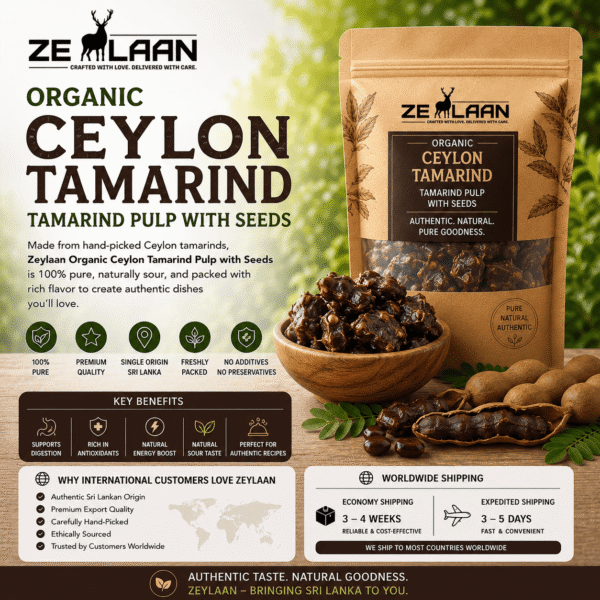
Organic Premium Ceylon Tamarind Pulp with Seeds from Sri Lanka
Price range: $12.49 through $32.99
Select options
This product has multiple variants. The options may be chosen on the product page
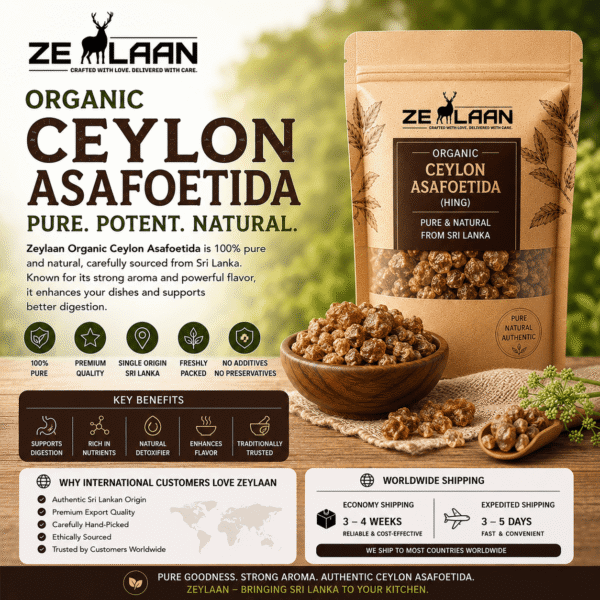
Organic Premium Ceylon Asafoetida from Sri Lanka
Price range: $28.99 through $81.49
Select options
This product has multiple variants. The options may be chosen on the product page

Organic Premium Ceylon Cloves from Sri Lanka
Price range: $15.49 through $27.99
Select options
This product has multiple variants. The options may be chosen on the product page
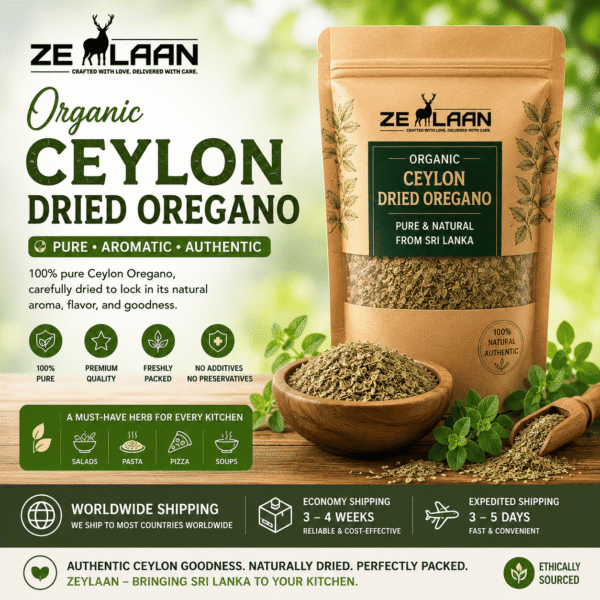
Organic Premium Ceylon Dried Oregano from Sri Lanka
Price range: $21.99 through $51.99
Select options
This product has multiple variants. The options may be chosen on the product page
Organic Premium Ceylon White Pepper from Sri Lanka
Price range: $15.49 through $27.99
Select options
This product has multiple variants. The options may be chosen on the product page
Lucas Gauthier –
Top quality
Top quality Ceylon Bay Leaves. The smell when you open the bag is unbelievable.