
🇱🇰 Need a Bulk Order? 📦 Custom Sri Lankan Products ✨ Personalized Shipping Quotes 💬 Chat with Us


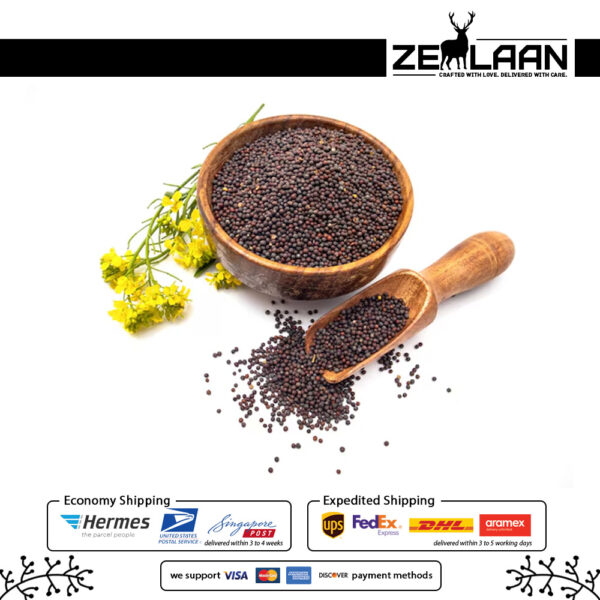
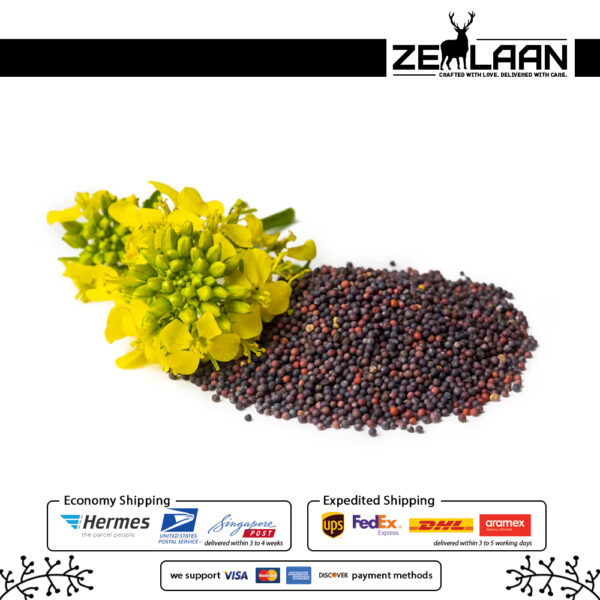
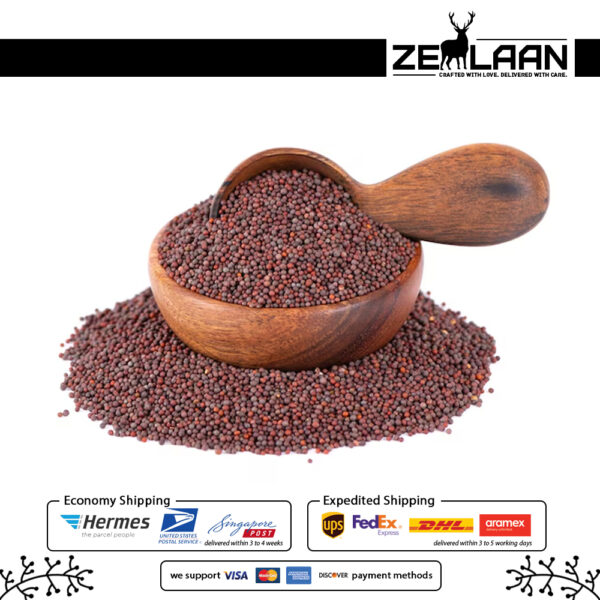

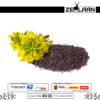
Organic Premium Ceylon Mustard Seeds from Sri Lanka
Price range: $12.49 through $32.99
Warmth bursts loose when you crack open these Ceylon Mustard Seeds. Grown under thick Sri Lankan sunlight, they swell in rich earth that feeds bold flavour. Not every harvest reaches such depth of fire – this lot does. Oil richness runs high inside each tiny pod. Maturity matters; picked by hand at just the right turn, they lock in what makes them sharp. The best part? They travel straight from farm plots to where meals come alive – the pan, the pot, your table. Few spices carry so much presence with such small size.
Organic Premium Ceylon Mustard Seeds from Sri Lanka Available in 250g 500g 750g 1kg
Spicy kick, straight from the soil of Sri Lanka. True mustard taste, nothing added. Grown where the sun hits hard. Picked at peak sharpness.
Out of nowhere, tiny Ceylon Mustard Seeds pack a surprising punch in food. Though they look dull – hard little dots without much smell – they wake up fast when dropped into heated oil. Suddenly, they crackle, burst open, spilling out rich oils that flood the air with a scent both earthy and biting. That flash of aroma marks a quiet turning point across many South Asian meals. Without warning, their role shifts: soaked in vinegar for tang, crushed into pastes, or sizzling gently at the start of stews. At every turn, these unassuming specks shape entire dishes in ways felt more than noticed.
Deep in Sri Lanka’s rich tropical earth, these Grade No. 1 Organic Ceylon Mustard Seeds take root. They wait until fully mature before being gathered by hand. After picking, they spend days drying under the open sun. This slow process helps hold onto what lies inside – especially glucosinolates and myrosinase enzymes. Once crushed or warmed, those elements meet, sparking a reaction. Out comes allyl isothiocyanate, that bold, biting force behind mustard’s lasting fire and scent.
How Ceylon Mustard Stands Out?
Dark little seeds, mostly Brassica nigra and Brassica juncea, make up Ceylon mustard – stronger and fiercer than the pale kind often seen in Western dishes. Hitting your nose fast, its scent punches harder, while taste adds depth that lingers longer. Though tiny, these grains carry weight in South Asian and Sri Lankan kitchens, where they spark many a seasoned oil at the start of cooking. Their role? Quiet but essential – a whisper before the storm of flavor unfolds.
Deep brown, almost black, each mustard seed in this batch shows full ripeness. Not one looks shriveled or thin – they swell evenly, shaped right. Sun dried just enough, their hue comes straight from nature, typical of mature Brassica nigra and juncea plants. Stalk bits? Gone. Dust? Nowhere here. Even tiny cracks or splinters have been removed. Nothing added, nothing weak sneaks in to weaken what’s inside the package.
Fresh from fields that skip lab-made sprays, raised free of manufactured nutrients. Handled only through methods banning fake stabilizers or outside fillers. Kept pure by rules that block anything synthetic in production.
One source only. Made without genetic changes. Contains nothing fake, no extra bulk, lasts naturally.
The Flavour – What You Might Taste
Ceylon Mustard Seeds sit quiet until touched by warmth or wetness. A splash of vinegar wakes them up, stirring a slow burn from within. Oil heated too long makes them jump, crackle, then unfold a deep scent into the air. Crushed without liquid, they turn mellow – earthy, warm, like roasted grains left in sun. Enzymes shift when mixed, building bite only cold steps can hold back. Heat changes everything, yet absence of moisture keeps the edge softer, rounder, closer to toast than fire.
What happens during this change matters if you want to get the most from Ceylon Mustard Seeds. Depending on preparation, that single little seed delivers completely separate taste outcomes – so knowing how it reacts opens up serious kitchen possibilities. A shift mid-sentence sometimes helps clarity. This spice turns unpredictable when treated differently. Its response shapes everything. Once figured out, few others offer such range.
Using Ceylon Mustard Seeds in Cooking
Hot oil wakes up Ceylon Mustard Seeds like nothing else in South Asian kitchens. A shimmer across the surface means it is ready – drop in the seeds, slap on the lid fast. Pops start quick, wild, loud. When things quiet down, move to the next step. That burst opens tiny pockets of scent trapped inside, pouring them into the grease. The fat soaks it all, spreading heat and earthiness wherever it goes. Most curries, dals, chutneys from the south rely on this moment.
Spiced up at the start, Ceylon Mustard Seeds often kick off South Indian and Sri Lankan veggie curries, dals, sambars, or anything creamy with coconut. That rich, slightly bitter oil sitting in the pan post-toasting? It shapes how the whole meal tastes in the end.
Whole Ceylon Mustard Seeds go into almost every vegetable brine, especially for cucumbers, cauliflower, green beans, or mango. What they bring isn’t just flavor – there’s a bite, a kind of heat that lingers. Texture matters too; their pop stands out each time. That bold touch shows up across Western jars and South Asian crocks alike.
Start with whole seeds. Crush them using vinegar, a splash of water, plus a touch of salt – that builds a bold, rich mustard paste far deeper in flavour than what comes in jars. A coarse grind gives it body. That rough texture brings out layers missing in mass-made kinds. Change how much liquid meets seed. Let it sit longer or shorter. Heat shifts depending on the wait.
Spice mixes often rely on Ceylon Mustard Seeds, especially in panch phoron – a traditional Bengali mix made of five spices. These tiny kernels also show up across many South Indian ground seasonings. When they’re fresh Grade No. 1 seeds, heated just before use, their flavor hits harder compared to store-bought powdered versions.
Start with Ceylon Mustard Seeds when mixing dressing or soaking meat. These tiny bits bring bold flavor to oil-based mixes, grilled dishes, fish soaks, even cabbage salads. Whole grains crack open slowly, releasing layers of warmth unlike the flat punch you get from fine powder. Finish strong by choosing texture that builds taste over time.
Starts with crunch – whole Ceylon Mustard Seeds tucked into dough or scattered over crackers bring sharp little bursts along a chewy base. Because they hold up so well, these seeds meet aged cheddar without fading, stand beside cured meats, sit next to tangy pickles. Ends there.
Grade No 1 Explained?
Whole Ceylon Mustard Seeds come in different grades. Size matters first. Uniform ones get picked more often. Darker tones stay together better in a batch. Light spots tend to show something went wrong somewhere. Oil amount changes how they burn when cooked. Too much water inside leads to early spoilage. Bits of plant stems cause problems later. Cracked pieces lower quality fast. Dust piles up if handling was rough. Outside junk like pebbles must never appear. Our Ceylon type meets Grade One rules. That grade wants only full seeds. They need to look fat and solid. Colour stays deep without shifts across lots. Workers go through them by hand. Any weak one gets taken out ahead of sealing bags.
Most chefs and top spice sellers go for this level of quality. Not something sitting on regular grocery shelves. A step beyond everyday seasoning jars found at local stores. What experts choose when flavor really matters.
Why Zeylaan?
From certified organic farms in Sri Lanka, we get our supply straight. Traceability covers each batch – right from field to pack. Not once is mustard combined with outside sources. Mixing grades never happens, even when demand climbs.
Open the bag, discover seeds just as they came from the field. These top-grade kernels feel warm from sun drying, handled gently to keep every nutrient locked inside. Freshness stays sealed tight until you break into the package. Each seed waits fully active, unchanged by heat or processing. What you get lands on your doorstep just hours after harvest. No steps skipped. Nothing added along the way.
One size fits none – pick your weight: 250g, 500g, 750g and 1Kg. Shipments go worldwide without delay. Pay safely through encrypted methods. People rely on this because it works every time.
Frequently Asked Questions
Is Ceylon Mustard Spicier Than Other Types?
It stands out clearly. Not quite like the usual kind found in most Western kitchens, Ceylon mustard – mainly from Brassica nigra and Brassica juncea – is deeper in color, tinier in size, far spicier too. Sharpness hits fast, almost urgent, which explains why it shows up so often in South Asian and Sri Lankan dishes, especially when seeds sizzle in hot oil at the start. Compared to regular yellow mustard, its punch and scent feel stronger right away. You notice it without trying.
Why Use Whole Ceylon Mustard Seeds Instead of Powder?
Whole seeds keep their punch longer than powdered forms. When crushed later, they release stronger taste. Storing them intact prevents flavor loss over time. Fresh grinding gives control at cooking moment. Tiny beads stay potent on shelf for ages. Breaking them just before use wakes up hidden heat.
When crushed or mixed with water, whole seeds wake up – glucosinolate meeting myrosinase like sparks at a strike. That sudden reaction holds off until needed, keeping the fire and scent locked tight. Not so with powdered mustard; once ground, it fades fast, its sharpness bleeding into air. Heat applied gently to intact seeds pulls out deeper tones, while crushing them just before use delivers a punch machines can’t copy. Even cracked slightly, those tiny pods give more life than any jarred dust ever could.
How Do I Make Homemade Mustard From Whole Seeds?
Start by grinding the seeds until they match how rough or smooth you want them – finer gives smoother mustard, chunkier leaves bits intact. Cold water or vinegar comes next, mixed in along with salt and extras like honey, herbs, maybe even some spice if that suits you. Wait one full day minimum before trying it; leaving it undisturbed makes the taste deepen while losing its bite slowly. Sharp edges fade, turning into something layered, warmer, less aggressive on the tongue.
How Should I Store Whole Ceylon Mustard Seeds?
Keep whole seeds sealed tight, tucked somewhere cool and dark. Sunlight, warmth, or dampness dulls them fast – avoid those. When done right, they stay sharp and rich tasting for about twenty-four months. Just before cooking, break open only enough to use then. Crushing too soon lets zest fade by mealtime.
Do These Ceylon Mustard Seeds Come From Organic Farming, Plus Are They Free Of Genetic Modification?
True enough. This mustard carries an organic label, comes from one place only, raised without lab-made sprays or fake feeds, while staying clear of modified genes, man-made helpers, thickening junk, or shelf-life tricks. It simply grows, gets made, stays clean.
Got A Large Order In Mind? We Handle Big Quantities Too.
Got questions about large orders? Reach out through WhatsApp or send an email to discuss special quantities, group rates, or overseas shipments. Homes, eateries, niche grocery shops, global clients – we work with them all.
Have Questions About This Product?
Need more details, bulk pricing, custom orders, or worldwide shipping information? Our team at Zeylaan is here to help.
Also refer the mentioned top articles regarding Premium Ceylon Mustard Seeds
🌐 Website: https://www.zeylaan.com
📧 Email: hello@zeylaan.com
📲 WhatsApp Support: +94 72 470 7185
🚚 Global Shipping Available
🔒 Secure Payments & Trusted Service
We are committed to transparent communication, authentic sourcing, and a smooth shopping experience from Sri Lanka to the world.
👉 Contact Zeylaan with confidence before you buy.
| Weight | N/A |
|---|---|
| Weight | 250g, 500g, 750g, 1Kg |
1 review for Organic Premium Ceylon Mustard Seeds from Sri Lanka
Only logged in customers who have purchased this product may leave a review.
Related products
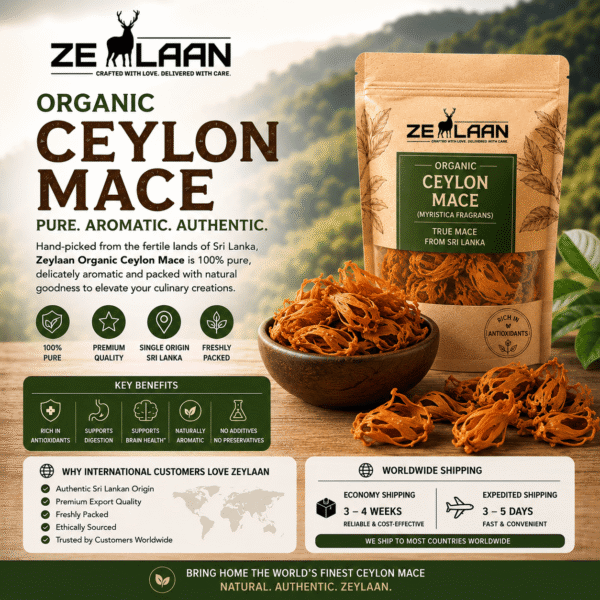
Organic Premium Ceylon Mace from Sri Lanka
Price range: $18.49 through $40.49
Select options
This product has multiple variants. The options may be chosen on the product page

Organic Premium Ceylon Fenugreek Seeds from Sri Lanka
Price range: $12.49 through $33.49
Select options
This product has multiple variants. The options may be chosen on the product page
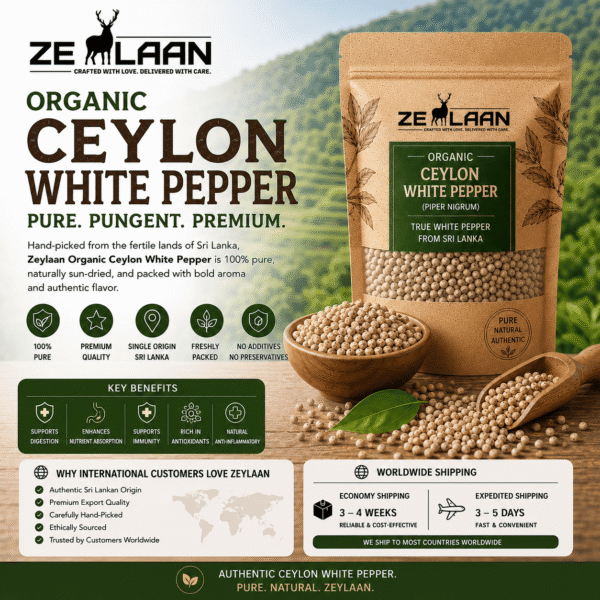
Organic Premium Ceylon White Pepper from Sri Lanka
Price range: $15.49 through $27.99
Select options
This product has multiple variants. The options may be chosen on the product page

Organic Premium Ceylon Cloves from Sri Lanka
Price range: $15.49 through $27.99
Select options
This product has multiple variants. The options may be chosen on the product page
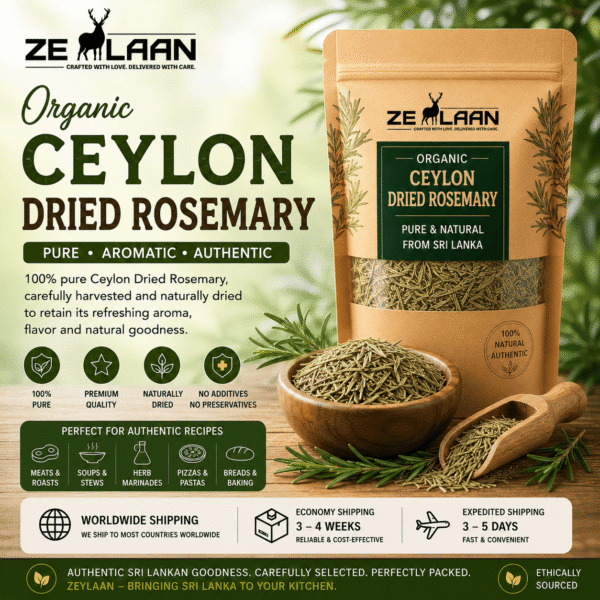
Organic Premium Ceylon Dried Rosemary from Sri Lanka
Price range: $18.49 through $40.49
Select options
This product has multiple variants. The options may be chosen on the product page
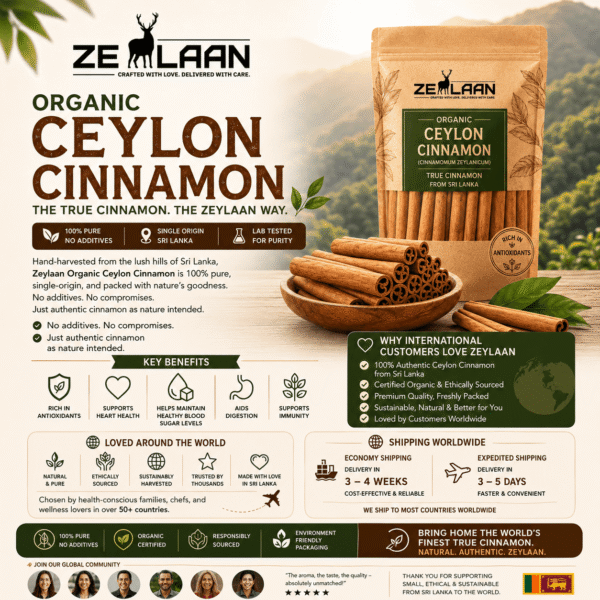
Organic Premium Ceylon Cinnamon Sticks (C5) from Sri Lanka
Price range: $32.49 through $130.00
Select options
This product has multiple variants. The options may be chosen on the product page
Logan Gagnon –
Genuinely authentic
Genuinely authentic Sri Lankan Mustard Seeds. Outstanding freshness and punch