
🇱🇰 Need a Bulk Order? 📦 Custom Sri Lankan Products ✨ Personalized Shipping Quotes 💬 Chat with Us

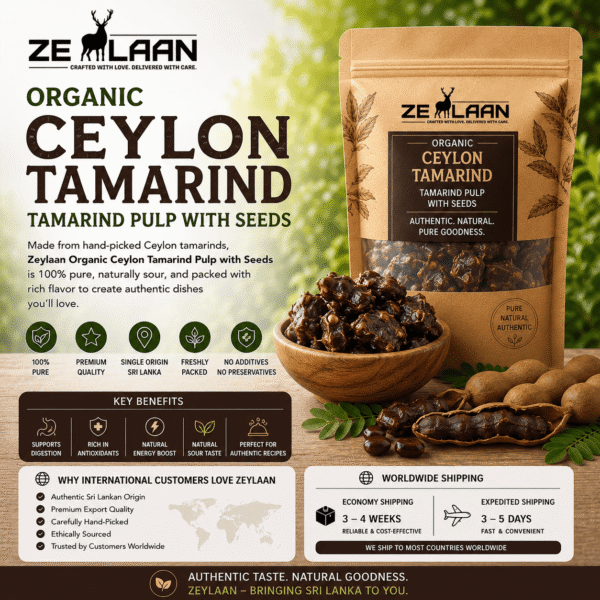






Organic Premium Ceylon Tamarind Pulp with Seeds from Sri Lanka
Price range: $12.49 through $32.99
Out in the dry parts of Sri Lanka, they grow a special kind of Ceylon Tamarind that keeps every bit of its bold taste. Sun-dried slow, each pod holds sharp tangy notes balanced by hints of natural sweetness. Though it arrives whole, packed just as picked, the richness inside stands out immediately. Because nothing extra gets mixed in – no salt, no sugar, no fake stuff – the fruit speaks clearly on its own. Its high acid punch makes it a go-to across kitchens worldwide. While many tweak their recipes, this version stays true to how nature made it. When ripe, these pods are pulled fresh then sent directly without detours. One bite and you notice layers others miss.
Organic Premium Ceylon Tamarind Pulp with Seeds from Sri Lanka Available in 250g 500g 750g 1kg
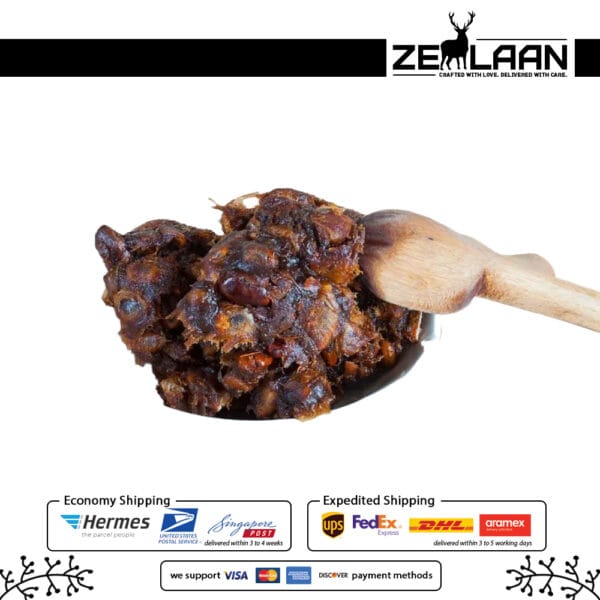
Thick pulp, deep color – straight from Sri Lankan groves. Grown where soil meets tropical rhythm. Harvested slow, packed fresh. Each batch traces back to family tended trees.
Out of nowhere, Ceylon Tamarind shows up in kitchens across continents, shaping how food tastes with its punchy sourness. Not just tart, but layered – like fruit left in the sun too long, then simmered down. A good sambar leans on it, needing that bright snap to come alive. Pad Thai? Same story, where flavor sinks deep because Ceylon Tamarind pulls everything together without shouting. Sweet meets sharp in chutneys, tangled in ways sugar and lemon alone could never manage. Even stews, cooked low and slow, carry a kind of acid warmth at the finish – not sharp like vinegar, nothing like lime – just there, holding the aftertaste steady.
Most supermarket tamarind isn’t close to how it grows. Instead of fresh pulp, you find dense bricks laced with salt. Sometimes it’s thick paste, filled with chemicals that keep it lasting longer. Other times it comes already turned into sauce – loaded with sugar, thickeners, nothing pure left. With every step away from the pod, something sharp and bright gets lost. The real sour kick fades a little more each time.
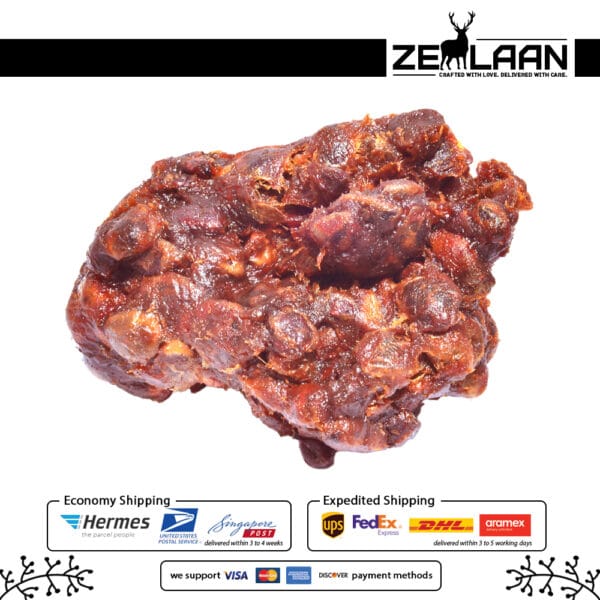
Whole Ceylon Tamarind pods arrive just as they were picked, sun dried without changes. These come directly from organic fields in Sri Lanka. Not a single additive slips in – no salt, no sugar, nothing synthetic. The drying happens slowly under real sunlight, preserving natural flavor. Each pod keeps its seeds, left untouched after harvest. You get what grows on the branch, only ready for storage. Nothing extra gets added during packing.
Ceylon Tamarind With Seeds Stands Apart?
Out of all factors, it is the amount of tartaric acid that shapes how good Ceylon Tamarind tastes – this natural compound gives tamarind its crisp sour edge, lifting and sharpening everything else on the plate. Grown under hot, arid skies, Sri Lankan pods pack more of this acid, so their punch hits deeper, unfolding in layers others don’t reach.
Because it keeps the seeds inside, this kind is closer to how Ceylon Tamarind grows naturally. Moisture escapes slower when the stones stay put through drying, which helps hold onto sharp fruity notes in the flesh around them. What you get lasts better on the shelf, tastes brighter after storage, then anything stripped down into smooth jars or dense seed-free bricks.
Deep, dark, yet shining – that’s how the pulp looks, just like ripe Ceylon Tamarind dried under full sun. Moist to touch, it bends easily, giving up taste fast once wetted. Nothing fake slipped in here. No lab-made colors, no extra salt, none of those synthetic boosts. Preservative-free? Always. Chemicals stayed out on purpose. What you get matches what grows.
Handmarked as organic, this crop grows free of lab-made sprays or fake nutrients. Instead of salt or sweeteners, it stays pure through careful handling. No manmade keepers or extras sneak into the method. Nothing stirred in gets approval only if nature made it first. Each batch moves through steps that respect its raw form. Man-free methods guard every phase. Only earth-born substances have a role.
One source only. Made without genetic changes. Nothing fake slips in – no added salt, zero sugar, nothing preserved by chemicals.
The Flavour What to Actually Expect
That sharp bite you taste first? It’s Ceylon Tamarind, bright and bold but never one-note. Behind it unfolds layers – fruity richness laced with a quiet warmth, like dried sunlight trapped in pulp. Not merely sour, more alive than that; each pinch carries weight and presence on the tongue. The tang hits fast yet doesn’t linger harshly – it softens into something subtly sweet beneath. Sun drying gives it an earthy murmur most jarred versions lack entirely. This isn’t empty acid. It brings story.
Out of all forms, seeds-in brings the truest taste, bold and unfiltered. Once soaked then pressed, what comes out feels livelier, richer, far beyond anything from bricks or jars ever achieve. This version slips into meals with a weight and character that sets real apart from fake without even trying.
Using Ceylon tamarind seeds in cooking
Start by snapping off what you need. Warm water holds the pieces for around twenty minutes, just enough time for mushiness to take over. Fingers dig in once squishy, teasing apart seed from goo. A tight net catches grit while juice slips through, squeezed hard at the end. Left behind are scraps no longer useful. What collects below becomes the base going forward – thinner or thicker based on how much liquid joins later.
Start with Ceylon Tamarind when building flavor in coastal Indian or island-style meals. When curries begin to bubble gently, stir in the thick paste made from its pulp – especially good in sauces with shrimp or split-pea stews. Sourness cuts through creamy textures like nothing else can. Even a small amount changes how heat and depth sit on the tongue. Watch how it lifts slow-cooked greens or oily fish without stealing attention.
Ceylon Tamarind chutney often shows up in small bowls beside street food stands. Boil down Ceylon Tamarind paste with unrefined cane sugar or dark brown sweetener, then stir in ground cumin, a scrape of ginger, a touch of heat. This tangy mix fits just about any bite – fried snacks, charred chicken pieces, even raw carrot sticks. Stored in a sealed jar, it lasts weeks inside a cold fridge.
Ceylon Tamarind gives Southeast Asian noodles their true tangy backbone. When making pad thai, mix Ceylon Tamarind paste with a splash of water before blending it into the sauce – fish sauce and palm sugar join at the same time. This old method beats shortcuts using vinegar or lime every single time. Only Ceylon Tamarind delivers that deep, fruity sourness the dish needs.
Start with Ceylon Tamarind concentrate when making sauces for grilling. Mix it with garlic, then add ginger and chili; finish by stirring in just a touch of sweetness. This blend becomes ideal for coating chicken, shaping flavour on pork ribs, or dressing up prawns before cooking. Tartaric acid inside softens meat slowly. When flames rise, that tangy fruit note turns golden, forming crisp edges without burning.
From curries to casseroles, Ceylon Tamarind brings a tangy punch when simmered into meats over low heat. Its natural tartness softens tough fibers while brightening heavy flavors. Found widely in Indian, Persian, and Mexican kitchens, it works quietly beneath spices. A spoonful of its thick paste slips easily into pots where meat cooks for hours. Rich broths gain balance as sweet-sour notes unfold slowly. Depth emerges without sharp edges, just mellow layers shaped by time and warmth.
Tartness hits first when you sip Ceylon Tamarind water, a beverage born from soaked pulp left to soften before being pushed through cloth. Cold liquid follows after filtering, mixed now with just enough sweetness to balance its bold edge. This drink shows up everywhere – street stalls in Mumbai, markets in Oaxaca, homes near Beirut – without trying to impress. Its flavor runs bright, slightly tangy, alive in a manner most bottled options fail to mimic. Real refreshment here does not depend on ice or branding.
Tart Ceylon Tamarind brings sharp brightness when turned into sticky spreads or chewy sweets. Because it gels easily and holds sour depth, cooks rely on it for dense fillings that set firmly. Across warm regions, people shape the pulp into treats mixing heat, sweetness, sugar, yet never losing its biting edge. Spiced rounds dusted with chili linger long after the first bite.
Grade Number One Meaning?
Deep inside each pod, Ceylon Tamarind earns its rank by how rich the pulp looks, how wet it stays, and just how much tartaric punch it holds. Our Ceylon kind hits Grade No. 1 because the flesh runs nearly black, feels soft between fingers, and clings tightly to maturity’s edge. Right when sourness peaks, harvest happens – no waiting, no rushing. From there, nothing gets mixed in; no salt slips through, no sugar sneaks near. Even seeds stay balanced, never outweighing the fruit’s heart. Purity defines it, every time.
Out here, where cooks care about real taste, they reach for this kind. Not the stuff tucked on regular grocery shelves in jars that sit too long. Importers with old-world connections choose it. So do makers of classic sauces who won’t settle for less depth. Paste from the common store? That’s a different story altogether.
Why Zeylaan?
From Sri Lanka’s Ceylon Tamarind areas come our supplies, pulled straight from verified organic growers. Traceability covers each step – field to sealed pack – with full clarity throughout. No salt slips in. Sugar stays out. Preservatives never enter. Nothing added ever, during any phase of making it.
Out comes just how it grew – entire pieces of top-grade, sun-cured Ceylon Tamarind, seeds still inside, sealed when ripest so every bit of tangy strength stays locked in, flavor deep and true before you even open the pack.
Choose from 250g, 500g, 750g and 1Kg. Shipping reaches nearly every country. Payments stay protected through checkout. People rely on this service again and again.
Frequently Asked Questions
Why should I buy whole tamarind with seeds instead of tamarind paste?
Start here: dried tamarind pods keep their sour edge better than anything else on shelves. Though jars save time, they commonly include extras like salt and shelf-life boosters – these alter taste. Processing dulls bright notes found fresh inside the pod. Pulling apart chunks after a soak reveals juice richer in layers. Ten quiet minutes spent waiting unlocks what bottled mixes cannot mimic. That slow step builds brightness nothing quick can match.
How do I remove the seeds for cooking?
After setting aside the needed Ceylon Tamarind pulp, pour warm water over it and leave it to sit between fifteen and twenty minutes, just long enough for full softening. When tender, run your fingertips through the mixture – the core bits loosen without effort. Push everything slowly through a tight strainer, using steady pressure so nothing useful gets left behind. Toss out what remains in the filter, the tough parts have done their part. What collects below becomes pure tamarind juice, fit straight into recipes.
How much Ceylon Tamarind should I use per dish?
Most recipes leave room for how sour you like things. Try beginning with one golf-ball chunk of paste mixed into eight tablespoons of hot water – that covers dinner for four with Ceylon Tamarind depth. Tweak it after tasting – go stronger if boldness pulls you in, or pour in extra liquid when soft tang fits better. Size and warmth shift results each time.
How should I store whole Ceylon Tamarind with seeds?
Sealed tight, tucked somewhere cool and dark – this keeps sun-dried Ceylon Tamarind just right. Moisture? Heat? Sunlight? Best kept far away. Whole pieces with seeds stay sharp, rich, unchanged for nearly twenty-four months if left undisturbed. After cracking it open, shut it fast so the inside does not turn brittle. Air exposure dulls the punch; locking it in preserves what matters.
Does this Ceylon Tamarind come from organic farming without GMOs?
True enough. Grown on one farm, our Ceylon Tamarind carries an organic label because it avoids man-made sprays and lab-made nutrients. Instead of chemicals, nature does the work here – nothing fake sneaks in. No salt shows up. Sugar stays out completely. Preservatives? Never used. Additives? Left behind too. Even GMOs take a hard pass. What you get sits close to how the plant made it.
Got a large order in mind? We handle big quantities too.
Got questions about large orders? Reach out through WhatsApp or send an email to discuss special quantities, pricing for big batches, or wholesale needs. Homes, eateries, niche grocery shops, overseas clients – we work with all of them.
Have Questions About This Product?
Need more details, bulk pricing, custom orders, or worldwide shipping information? Our team at Zeylaan is here to help.
Also refer the mentioned top articles regarding Premium Ceylon Tamarind
- Health Benefits of Tamarind
- What Is Tamarind? Benefits, Taste and How To Use It
- What Is Tamarind? A Tropical Fruit with Health Benefits
- Top 6 health benefits of tamarind
🌐 Website: https://www.zeylaan.com
📧 Email: hello@zeylaan.com
📲 WhatsApp Support: +94 72 470 7185
🚚 Global Shipping Available
🔒 Secure Payments & Trusted Service
We are committed to transparent communication, authentic sourcing, and a smooth shopping experience from Sri Lanka to the world.
👉 Contact Zeylaan with confidence before you buy.
| Weight | N/A |
|---|---|
| Weight | 250g, 500g, 750g, 1Kg |
1 review for Organic Premium Ceylon Tamarind Pulp with Seeds from Sri Lanka
Only logged in customers who have purchased this product may leave a review.
Related products
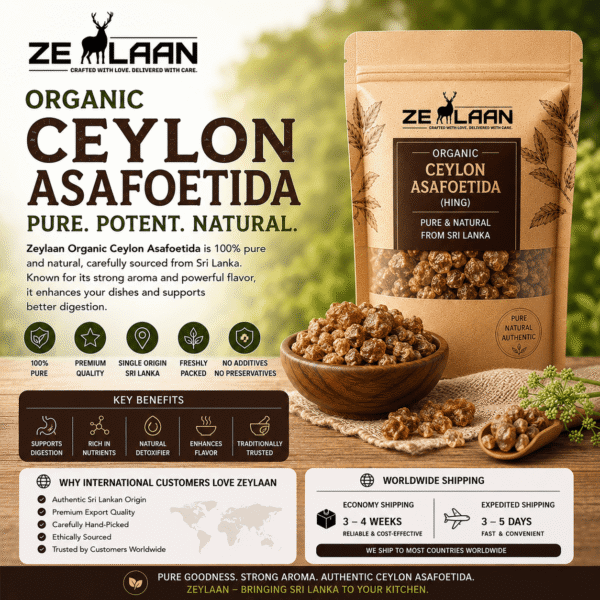
Organic Premium Ceylon Asafoetida from Sri Lanka
Price range: $28.99 through $81.49
Select options
This product has multiple variants. The options may be chosen on the product page
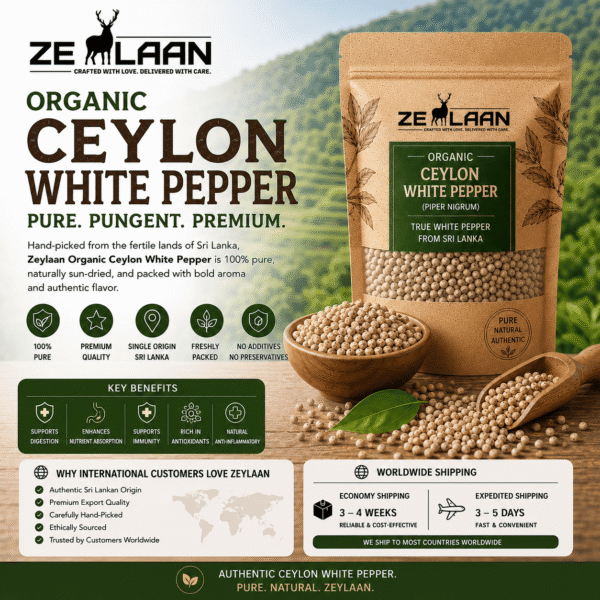
Organic Premium Ceylon White Pepper from Sri Lanka
Price range: $15.49 through $27.99
Select options
This product has multiple variants. The options may be chosen on the product page

Organic Premium Ceylon Mustard Seeds from Sri Lanka
Price range: $12.49 through $32.99
Select options
This product has multiple variants. The options may be chosen on the product page
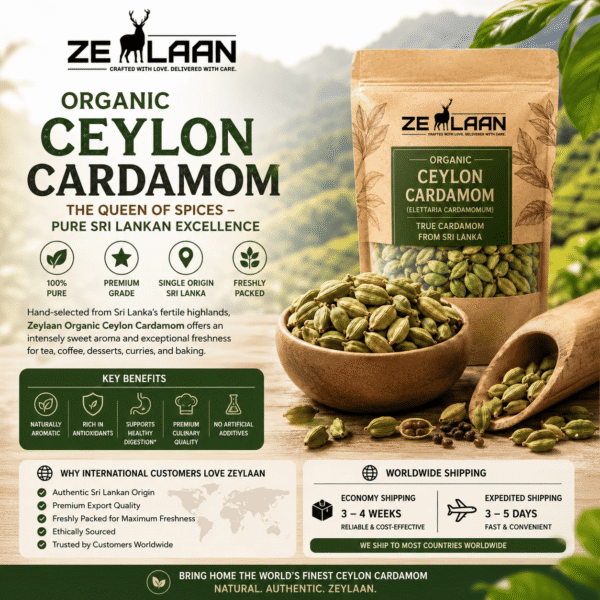
Organic Premium Ceylon Cardamom from Sri Lanka
Price range: $26.99 through $73.49
Select options
This product has multiple variants. The options may be chosen on the product page

Organic Premium Ceylon Bay Leaves from Sri Lanka
Price range: $14.49 through $23.49
Select options
This product has multiple variants. The options may be chosen on the product page
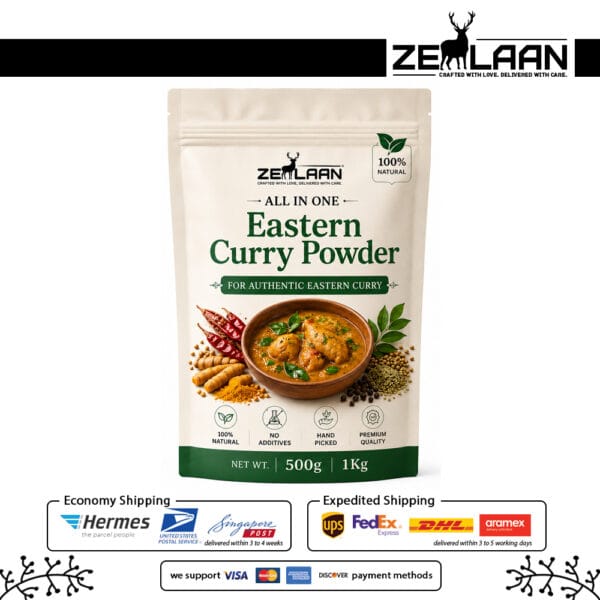
Zeylaan All in One Eastern Curry Powder – 100% Natural Authentic Premium Sri Lankan Spice Blend – 100% Vegan
Price range: $17.99 through $24.99
Select options
This product has multiple variants. The options may be chosen on the product page
Mia Bouchard –
Organic
The Tamarind are outstanding. Will definitely order again.