
🇱🇰 Need a Bulk Order? 📦 Custom Sri Lankan Products ✨ Personalized Shipping Quotes 💬 Chat with Us


Ceylon Tamarind Grade No.1: The World’s Favorite Sour Fruit, Perfected in Sri Lanka
Whole sun-dried Ceylon tamarind pods with seeds — Grade No.1, rich in natural tartaric acid, zero additives, certified organic. Known worldwide as tamarin or tamarin fruit. The authentic sourness that makes curries, pad thai, chutneys, and agua de tamarindo actually taste the way they should.
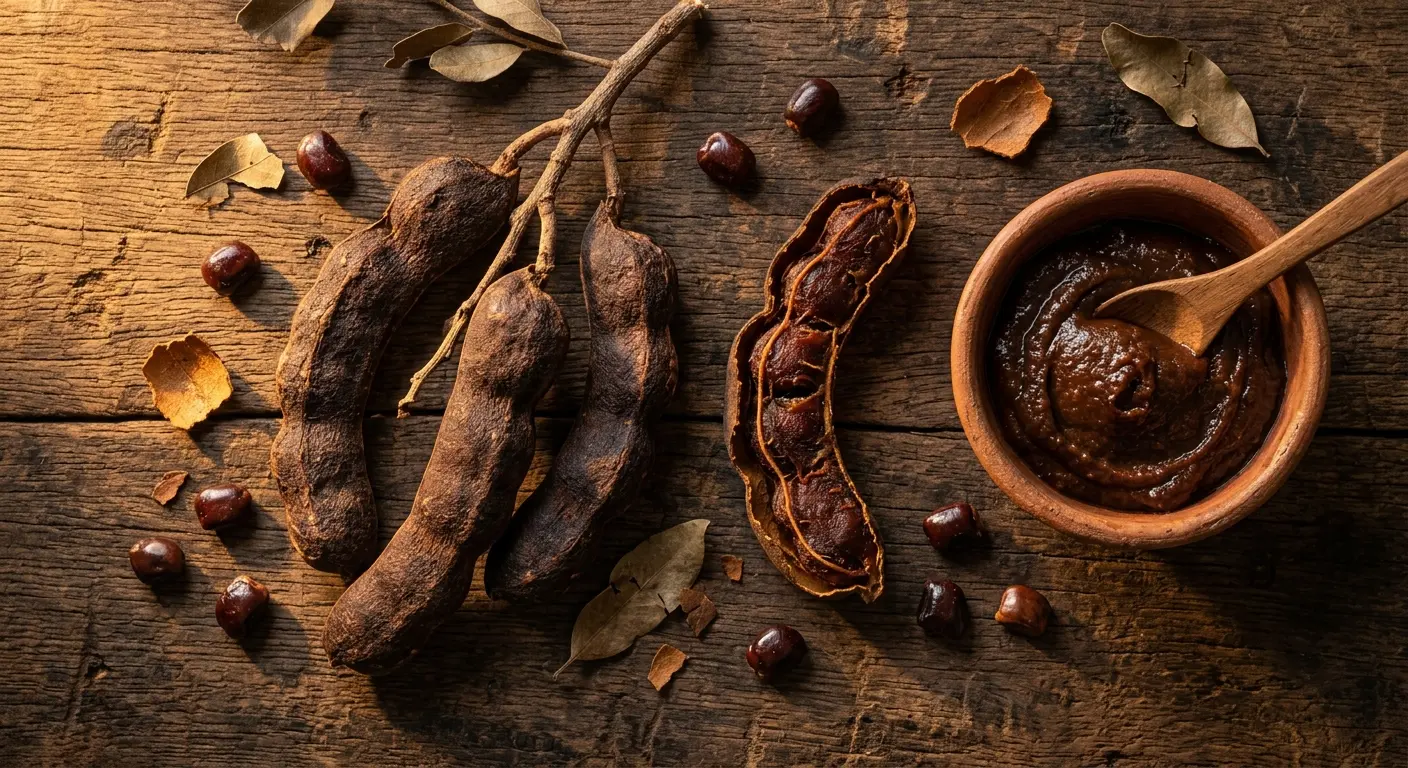
They call it tamarin in French. Tamarindo in Spanish and Portuguese. Imli in Hindi, puli in Tamil, ukwaju in Swahili. Whatever the language, the sourness is unmistakable — that specific sharp-sweet tartness that makes sambar work, that gives pad thai its backbone, that turns agua de tamarindo into the most refreshing drink in a Mexican market on a July afternoon.
No other souring agent tastes like tamarind. Not lemon. Not lime. Not vinegar. The tartaric acid in a ripe tamarind pod produces a sourness that is simultaneously bold and rounded — bright at first contact, then mellowing into a fruity warmth with a gentle natural sweetness underneath. It is the difference between a dish that is merely sour and a dish that has depth.
Zeylaan Ceylon Tamarind Grade No.1 is the whole pod, sun-dried, with seeds intact, sourced from certified organic farms in Sri Lanka’s driest growing regions where the combination of arid heat and rich soil concentrates the tartaric acid to its maximum natural level. No salt. No sugar. No preservatives. No additives of any kind. Just the fruit, exactly as the tree made it.
| No.1 Highest Quality Grade | 100% Certified Organic | Zero Additives / Salt / Sugar | 4 Sizes: 250g–1kg | ⭐5/5 Customer Rating |
Tamarin, Tamarind, Tamarinde: One Fruit, A World of Names
The Google Trends data for this product reveals something remarkable: the highest-volume searches for this fruit come from French and Spanish speakers who search for “tamarin” (index 100) and “tamarin fruit” (index 72) — far above the English “tamarind” (index 19). German and Dutch speakers search “tamarinde.” Portuguese and Latin American markets use “tamarindo.” This is a truly global ingredient with a worldwide audience actively searching for it right now.
| 🇫🇷🇧🇪 French Tamarin Index 100 — Highest Volume | 🇫🇷🇧🇪 French Tamarin Fruit Index 72 — Second Highest | 🇬🇧🇺🇸 English Tamarind Index 19 · +9% Rising |
| 🇩🇪🇳🇱 German / Dutch Tamarinde Index 5 — European market | 🇵🇹🇧🇷🇲🇽 Portuguese / Spanish Tamarindo Agua de tamarindo rising | 🇮🇳🇱🇰 Hindi / Tamil Imli / Puli Diaspora communities |
Note on “Tamarin” vs “Tamarind”: In French, “tamarin” refers to tamarind the fruit — not the tamarin monkey (which is “ouistiti” or “tamarin” in different contexts). The dominant French search “tamarin fruit” clarifies the intent clearly. Zeylaan’s Ceylon tamarind is the fruit that French, Belgian, and Québécois searchers are looking for, widely used in French Caribbean and Réunionais cuisine, North African cooking (in France), and South Asian diaspora food traditions in France and Belgium.

What Is Tamarind (Tamarin Fruit)? The Complete Answer
Tamarind — Tamarindus indica — is a tropical fruit tree producing long, curved brown pods containing sticky dark pulp wrapped around hard seeds. The name comes from the Arabic tamr hindi — “Indian date” — a reference both to its date-like sweetness and its Indian subcontinental origins.
The tree is one of the most drought-tolerant of all fruit trees, thriving in arid and semi-arid conditions where few other crops survive. Sri Lanka’s northern and eastern dry zones produce some of the world’s most concentrated tamarind — the combination of minimal rainfall, high heat, and mineral-rich red laterite soil creates conditions where the pods develop exceptionally high tartaric acid content, producing the sharp, bright sourness that defines Grade No.1 quality.
Inside the pod: the pulp is dark brown, sticky, and fibrous, wrapped tightly around 4–12 hard brown seeds. The seeds are perfectly edible and contain their own nutritional value, but most culinary applications extract only the pulp — dissolving it in warm water and straining out the seeds and fibers to produce tamarind paste, concentrate, or juice.
Tamarind’s sourness comes almost entirely from tartaric acid — a naturally occurring organic acid that is actually unusual in fruits. Most sour fruits derive their acidity from citric acid (lemons, limes) or malic acid (apples). Tamarind’s tartaric acid produces a different kind of sourness: denser, more persistent, with a characteristic fruitiness that citric acid cannot replicate. This is why tamarind cannot be substituted with lemon juice in authentic recipes — the chemical character of the sourness is fundamentally different.
Full Product Specifications
| Zeylaan Ceylon Tamarind Grade No.1 — Complete Product Details | |
| Brand: Zeylaan | Product Name: Ceylon Tamarind with Seeds – Grade No.1 |
| SKU: ORG-CEY-TAM-WS-G1 | Grade: No.1 — Highest Quality Tier |
| Available Sizes: 250g / 500g / 750g / 1kg | Price Range: $12.49 (250g) – $32.99 (1kg) |
| Organic: ✅ Certified Organic — No synthetics | GMO: ✅ non-GMO — single source |
| Additives: ✅ None — No salt, no sugar, no preservatives | Form: Whole sun-dried pods with seeds intact |
| Key Compound: High natural tartaric acid content | Drying Method: Sun-dried — slow, natural drying |
| Origin: Sri Lanka 🇱🇰 — Dry zone organic farms | Ships To: 28+ countries worldwide |
What Grade No.1 Means — And Why It Matters More Than You Think
Most tamarind sold internationally falls into one of three problematic categories: salted bricks (which alter the flavour significantly), processed paste in jars (which contains additives and loses fresh pod character), or low-grade whole pods (mixed ripeness, artificial drying, variable tartaric acid content). Grade No.1 is the alternative to all of these.
🏆 Grade No.1 Ceylon Tamarind — The Quality Standard
- Peak Tartaric Acid Harvested at sourness peak
- Deep Dark Pulp Near-black colour = full ripeness
- Moist & Pliable Not brittle, not dry
- Seeds Intact Freshest, most aromatic form
- No Salt Added Pure fruit only
- Sun-Dried Only Not force or machine dried
- Certified Organic Verified — no synthetics
- Single Source Traceable Sri Lankan farms
Why Whole Pods with Seeds Are Superior to Paste or Bricks
| Feature | Grade No.1 Whole Pods (Zeylaan) ⭐ | Salted Tamarind Bricks | Jarred Tamarind Paste |
| Purity | ✔ 100% tamarind — nothing added | Salt added (alters flavour) | Often contains preservatives |
| Tartaric Acid | ✔ Maximum — seeds slow moisture loss | Moderate — diluted by processing | Variable — processing dependent |
| Flavour Complexity | ✔ Layered — fruity, sour-sweet depth | Flat — salt masks nuance | One-dimensional |
| Shelf Life | ✔ 24 months sealed | Long but salt-dependent | Short once opened |
| Additives | ✔ Zero | Salt always present | Preservatives, stabilizers |
| Versatility | ✔ Full control of concentration | Limited by salt content | Fixed concentration |
| Culinary Authenticity | ✔ Traditional — most authentic form | Compromise | Convenience only |
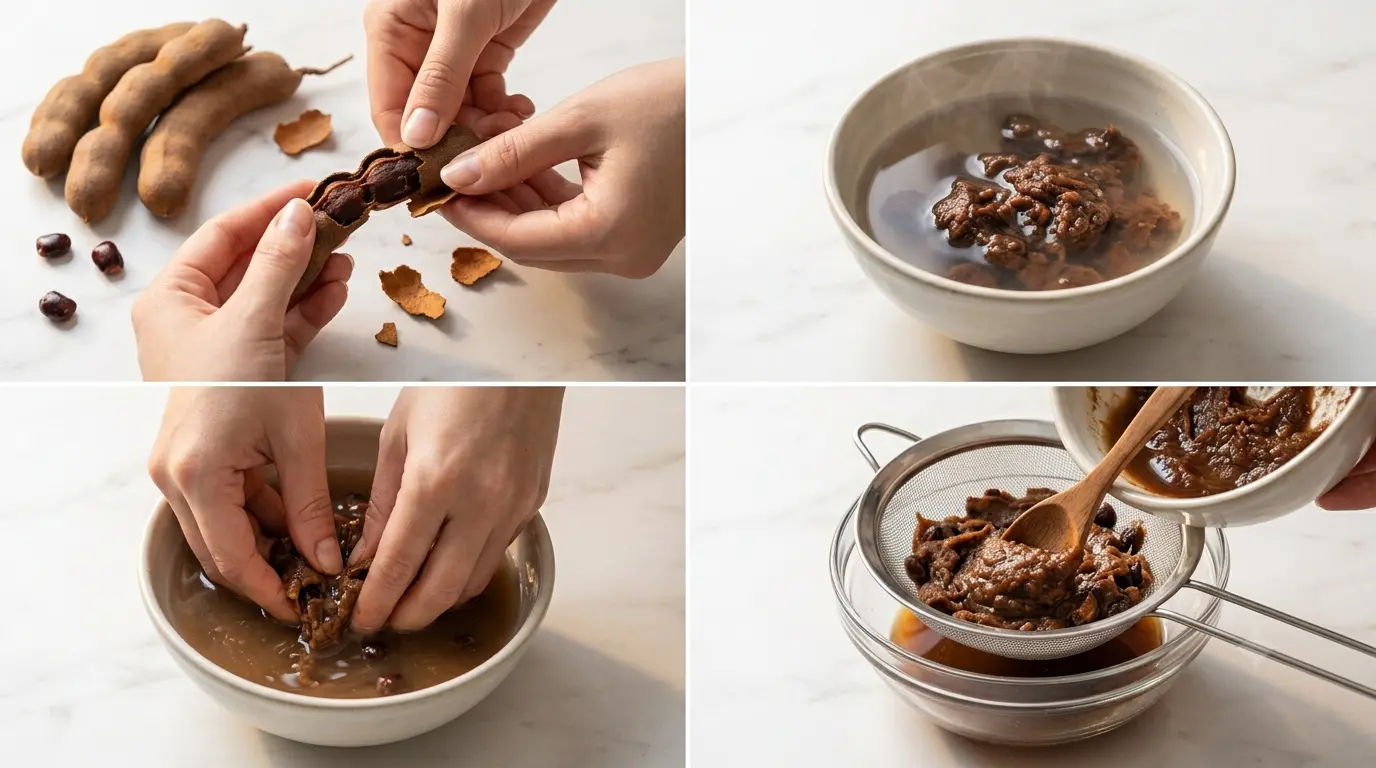
How to Use Whole Ceylon Tamarind Pods: The Extraction Method
Working with whole tamarind pods for the first time can seem unfamiliar — but the process is simple and produces far better results than any paste or concentrate. Here is the complete method:
How to Make Tamarind Paste from Whole Pods
Makes approximately 200ml of paste · 25 min total · The foundation of all tamarind cooking
⏱️ 25 min 🍶 Makes ~200ml paste 🌿 Zero additives
- Break off the amount of whole tamarind you need — roughly a golf-ball-sized piece (approximately 40–50g) makes about 200ml of medium-strength paste suitable for a dish serving 4.
- Place the broken tamarind (shell and seeds included) in a bowl. Pour over 150ml of warm water — not boiling, just hot enough to soften the pulp without cooking it.
- Leave to soak for 20 minutes. The pulp will absorb the water and soften significantly, loosening from the seeds and fibers.
- Using your fingers, work the softened pulp through the water, squeezing and massaging until the flesh separates from the seeds. This takes about 2–3 minutes of working by hand.
- Set a fine-mesh strainer over a clean bowl. Pour the tamarind mixture through and press firmly with a spoon to extract all the pulp liquid. Discard the seeds and fibers remaining in the strainer.
- What collects below is pure tamarind paste — rich, dark, and intensely tangy. Thin with additional water for a lighter sauce consistency, or use as-is for a concentrated paste. Refrigerate unused paste for up to one week, or freeze in ice cube portions for longer storage.
Tamarind Benefits: What Science Confirms About the Tamarin Fruit
Beyond its extraordinary culinary properties, tamarind has a deeply documented history in Ayurvedic, Unani, and traditional African medicine — and modern research is increasingly validating many of these traditional applications:
🦴
Tartaric Acid — Antioxidant & Acidulant
Tartaric acid — tamarind’s primary compound — is a powerful natural antioxidant that scavenges free radicals and has been shown to inhibit lipid peroxidation. Unlike citric acid (from lemons) or acetic acid (vinegar), tartaric acid is relatively rare in foods, making tamarind one of the richest dietary sources of this specific antioxidant compound.
❤️
Cardiovascular Support
Research published in multiple journals has shown that tamarind seed extract and pulp contain compounds that reduce LDL cholesterol, inhibit platelet aggregation, and improve arterial function. The polyphenols in tamarind pulp are particularly active against the oxidation of LDL particles — a key step in cardiovascular disease progression.
🩸
Blood Sugar Management
Tamarind extracts have demonstrated alpha-glucosidase inhibitory activity — the same mechanism targeted by some diabetes medications — reducing post-meal blood glucose spikes. Studies in animal models show consistent blood glucose-lowering effects; human research is ongoing but consistent with centuries of traditional use in South Asian diabetic care.
🧬
Liver Protection
The hepatoprotective (liver-protecting) properties of tamarind are among its most documented traditional and modern uses. Tamarind’s antioxidant polyphenols protect liver cells from oxidative damage, and studies have shown protective effects against certain liver toxins, supporting the traditional use of tamarind in Ayurvedic liver tonics.
💚
Digestive Health
Tamarind is a traditional digestive aid across South Asia, Southeast Asia, and East Africa. Its tartaric acid stimulates bile flow and digestive enzyme production. The dietary fiber in tamarind pulp supports gut motility and feeds beneficial gut bacteria. It is particularly used as a natural laxative at higher doses, and as a gentle digestive stimulant at culinary quantities.
🦷
Antimicrobial Properties
Tamarind seed extract has demonstrated significant antimicrobial activity against a range of bacterial and fungal pathogens in laboratory research. Lupeol — a triterpenoid present in tamarind seeds — has shown activity against Staphylococcus and other oral pathogens, supporting the traditional use of tamarind in oral hygiene preparations across South Asia.
Culinary note: These benefits reflect tamarind used as a whole food ingredient in regular culinary quantities. The tartaric acid and polyphenol content in Grade No.1 whole pods is higher than in processed paste or bricks, as additives and processing degrade bioactive compounds. Using whole pods extracted fresh delivers maximum both culinary and nutritional value.
How to Use Ceylon Tamarind: Every Application
🥘
Sambar & Dal
South India’s essential lentil stew requires tamarind — no substitute works. Dissolve tamarind paste in warm water and add to the simmering dal for the characteristic sour depth that defines authentic sambar.
🍜
Pad Thai
Authentic Pad Thai sauce is built on tamarind paste, fish sauce, and palm sugar. The fruity sourness of tamarind is irreplaceable — rice vinegar and lime juice make poor substitutes for the depth it provides.
🥘
Tamarind Chutney
Indian street food’s beloved sweet-sour chutney: reduce tamarind paste with jaggery, cumin, ginger, and chilli until thick and glossy. Essential with samosas, pakoras, chaat, and channa bhatura.
🧃
Agua de Tamarindo
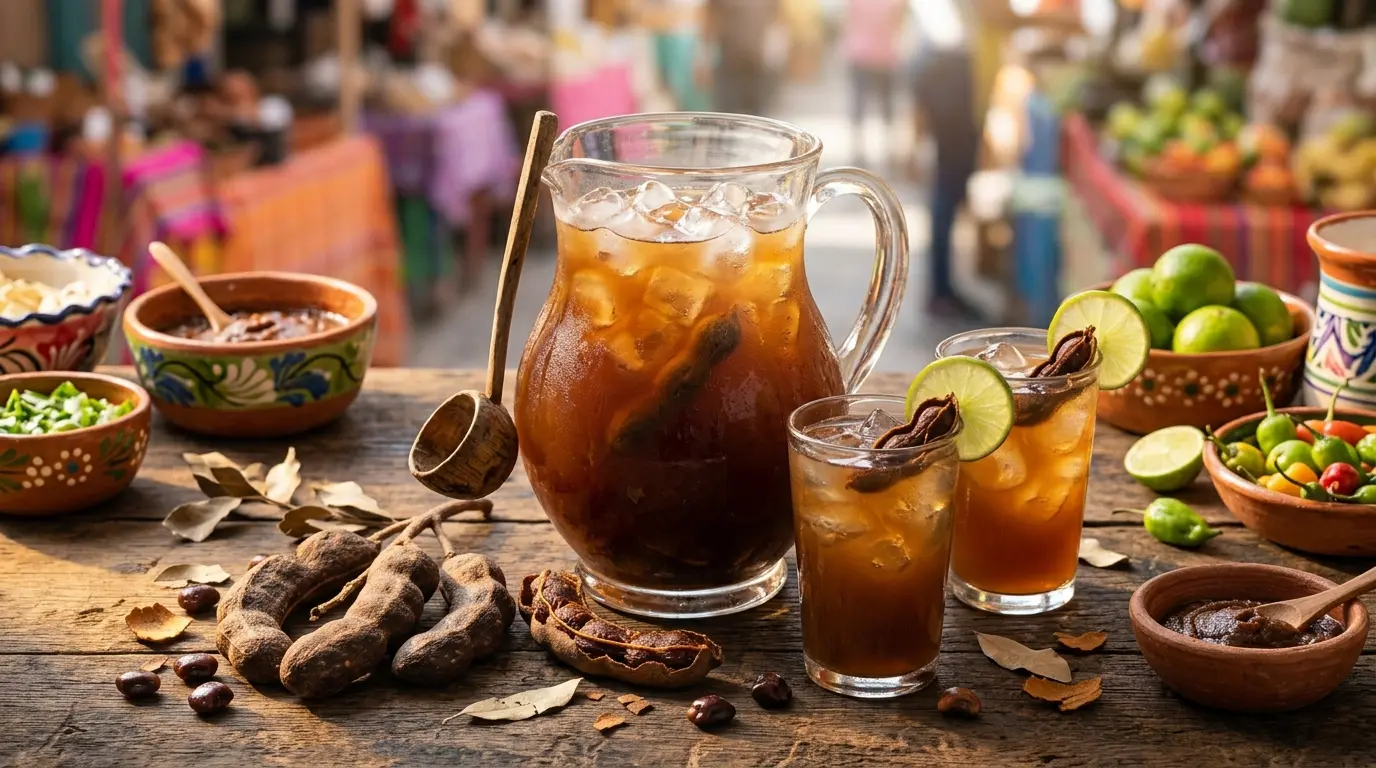
Mexico’s beloved street drink — tamarind dissolved in water with sugar and served cold. The tartaric acid produces a sourness that is simultaneously more refreshing and more complex than lemonade. Trending globally as a natural soda alternative.
🐟
Fish & Seafood Curries
Eastern Sri Lankan and South Indian coastal cuisine centres tamarind in fish curries — its acidity “cooks” the fish slightly during marination and provides a sourness that cuts beautifully through the richness of oily fish.
🍖
Marinades & BBQ
Tamarind paste in a marinade works as a natural tenderizer — its tartaric acid breaks down meat proteins, softening tough cuts while the complex fruitiness caramelizes on a grill to create extraordinary charred crusts.
🥣
Rasam & Soups
South India’s peppery, tangy soup relies entirely on tamarind for its sour base. Dilute tamarind paste with water and combine with black pepper, cumin, and tomato for the traditional recipe that is simultaneously a soup, a digestive tonic, and comfort food.
🍬
Sweets & Candy
Across Mexico, the Caribbean, and South Asia, tamarind is shaped into spiced confectionery — combining the sour pulp with chilli, sugar, and salt. Tamarind candy is one of the most distinctive regional confectionery traditions in the world.
Agua de Tamarindo Recipe — The Trending Natural Drink
Classic Agua de Tamarindo (Tamarind Water)
Serves 4–6 · 30 min · Mexico’s most beloved agua fresca
🧃 Refreshing🌿 Natural ingredients🌍 Global street food classic
- Break 150g of Grade No.1 Ceylon tamarind pods into pieces. Place in a bowl with 500ml of boiling water. Leave to soak for 20–25 minutes until the pulp has fully softened.
- Work the softened pulp through the water with your hands until it is completely dissolved, seeds loosened.
- Strain through a fine mesh strainer into a large pitcher, pressing firmly to extract all the liquid. Discard the seeds and fibres.
- Add 1 litre of cold water to the concentrated tamarind liquid. Stir well.
- Add sugar or agave syrup to taste — start with 3–4 tablespoons and adjust. The traditional agua de tamarindo is tart-forward with just enough sweetness to balance, not a sweet drink.
- Add the juice of 1 lime and a pinch of salt (optional but traditional in Mexican versions).
- Refrigerate until cold. Serve over ice. Garnish with a lime wheel. This drink can be stored refrigerated for up to 3 days.
Ceylon Tamarind vs Other Origins: Why Sri Lanka Produces Superior Tamarin Fruit
| Feature | Ceylon Tamarind (Zeylaan) ⭐ | Indian Tamarind | Mexican Tamarind | Thai Tamarind |
| Tartaric Acid Level | ✔ High — dry zone concentration | High (similar) | Moderate | Often sweet-leaning |
| Sweetness Balance | Sour-forward with background sweetness | Sour-forward | More balanced sweet-sour | Sweet-forward (sweet tamarind variety) |
| Additive Status | ✔ Zero — no salt, no sugar | Often salted in export form | Often sweetened | May contain additives |
| Organic Certified | ✔ Yes — verified | Varies | Varies | Rarely |
| Best For | Curries, sambar, chutneys, marinades, agua de tamarindo | Sambar, South Indian cooking | Agua de tamarindo, sweets | Pad Thai (sweet versions) |
| Available Via Zeylaan | ✔ Yes — all 4 sizes, ships worldwide | Not sold | Not sold | Not sold |
What International Customers Say
Verified Customer Review — Zeylaan.com · May 2026
⭐⭐⭐⭐⭐
“Organic — The Tamarind are outstanding. Will definitely order again.”
— Mia Bouchard · Verified Purchase · May 24, 2026

Frequently Asked Questions
What is tamarin fruit (tamarin / tamarind)?
Tamarin (French) and tamarind (English) are different words for the same fruit — the pod of the tropical tree Tamarindus indica. The word comes from the Arabic “tamr hindi” (Indian date). The fruit contains a dark, sticky pulp wrapped around hard seeds inside a brittle brown shell. It is famous for its bold, fruity sourness from tartaric acid — a natural compound that gives tamarind a unique flavour that no other souring ingredient can replicate. Ceylon tamarind from Sri Lanka is the Grade No.1 version of this fruit — whole, sun-dried pods with seeds intact, certified organic, and free from all additives.
What are the benefits of tamarind (tamarin fruit)?
Tamarind’s documented health benefits include: powerful antioxidant activity from tartaric acid and polyphenols; cardiovascular support through LDL cholesterol reduction and platelet aggregation inhibition; blood sugar management via alpha-glucosidase inhibition; liver protection (hepatoprotective effects); digestive stimulation from tartaric acid and dietary fibre; and antimicrobial activity from lupeol in the seeds. These benefits are best realised from Grade No.1 whole pods — the purest, additive-free form of the fruit with the highest tartaric acid concentration.
Why should I buy whole tamarind with seeds instead of paste or bricks?
Whole Grade No.1 pods are the freshest, most flavour-complex, and most nutritionally complete form of tamarind available. Paste jars typically contain preservatives and have a fixed, one-dimensional concentration. Salted bricks add salt that permanently alters the flavour profile — making it impossible to control the seasoning in your dish accurately. Whole pods allow you to control concentration, contain zero additives, have a 24-month shelf life when sealed, and produce a noticeably richer, more complex flavour when extracted fresh. The extraction process takes 20 minutes and produces far superior results to any convenience product.
How much tamarind should I use per dish?
A golf-ball-sized piece (approximately 40–50g) of whole tamarind, dissolved in 150ml warm water, produces roughly 200ml of medium-strength paste — enough for a curry or sambar serving 4 people. Adjust based on how sour you want the dish: for bold sourness (South Indian sambar, rasam), use a larger piece. For background sourness (biryani, pad thai), use less. Because Grade No.1 Ceylon tamarind has a high tartaric acid content, start conservatively and add more to taste.
Can tamarind replace lemon juice or vinegar?
Not directly — and this is important to understand. Tamarind, lemon, and vinegar each produce different types of sourness from different acids: tamarind (tartaric acid), lemon and lime (citric acid), vinegar (acetic acid). The flavour character of each is distinct. In recipes specifically designed for tamarind — sambar, pad thai, tamarind chutney, agua de tamarindo, rasam — there is genuinely no substitute that produces the same result. In recipes using lemon or lime, tamarind can be used as a substitute but will produce a noticeably richer, fruitier result.
How do I store whole Ceylon tamarind with seeds?
Seal tightly in an airtight container and store in a cool, dark, dry place away from heat, light, and moisture. Properly stored, whole Grade No.1 tamarind pods retain their quality and tartaric acid potency for up to 24 months. Once you open the bag, reseal immediately after use — air exposure causes the pulp to dry out and harden, reducing its extractability. Do not refrigerate sealed dry tamarind — the humidity variation can introduce moisture. Extracted tamarind paste should be refrigerated and used within one week, or frozen in ice cube portions for up to six months.
What is the difference between sweet tamarind and sour tamarind?
There are two main commercial varieties of tamarind: sour (culinary) tamarind and sweet tamarind. Sour tamarind — which is what Zeylaan supplies — has high tartaric acid content and is the variety used in cooking, chutneys, sauces, and traditional beverages like agua de tamarindo. Sweet tamarind (common in Thailand and some Southeast Asian markets) is eaten fresh as a fruit and has much lower acidity and higher sugar content. For all culinary applications — curries, sambar, pad thai, marinades — you need sour culinary tamarind. Ceylon Grade No.1 is exclusively this sour variety.
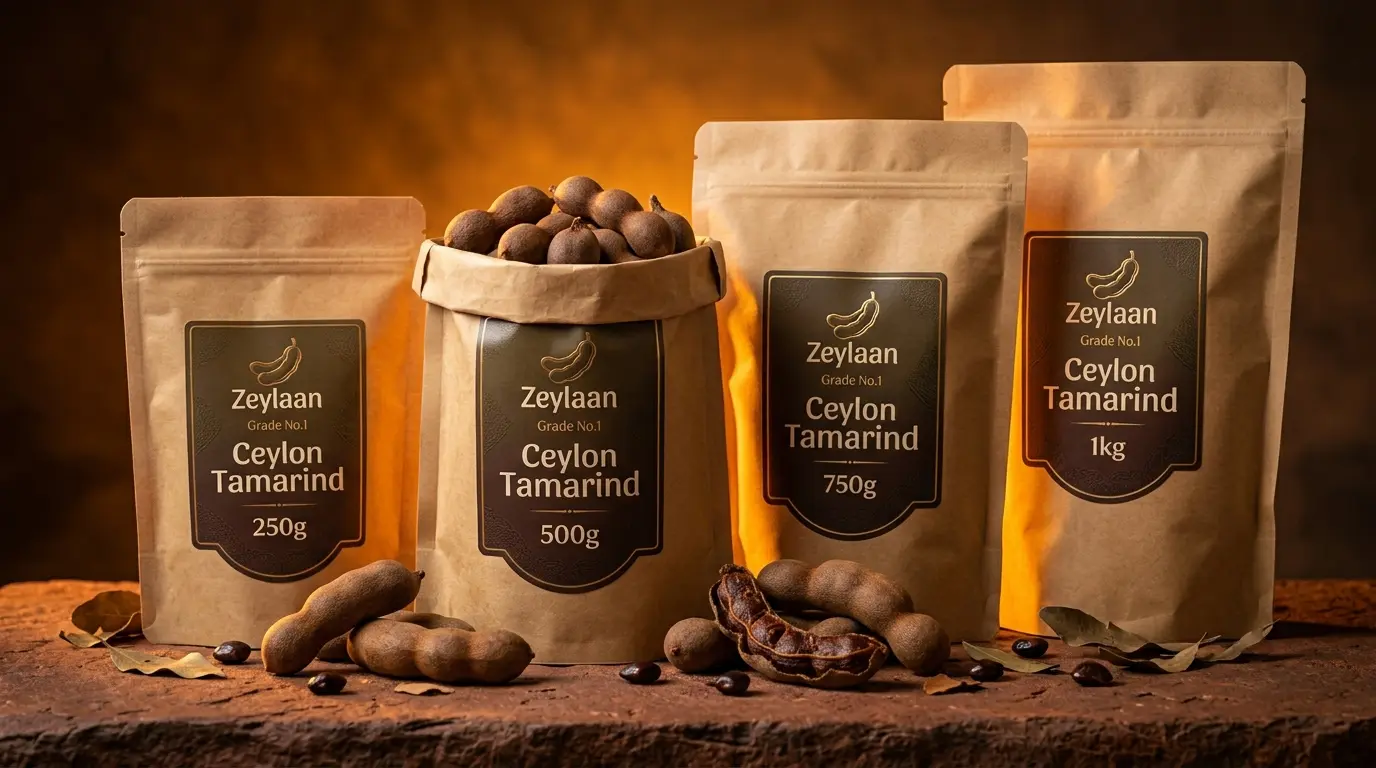
Order Ceylon Tamarind Grade No.1 — Worldwide Delivery
Sun-dried · Whole Pods with Seeds · Certified Organic · Zero Additives Tamarin Fruit / Tamarind from Sri Lanka — Shipped to 28+ Countries
Have Questions About This Product?
Need more details, bulk pricing, custom orders, or worldwide shipping information? Our team at Zeylaan is here to help.
🌐 Website: https://www.zeylaan.com
📧 Email: hello@zeylaan.com
📲 WhatsApp Support: +94 72 470 7185
🚚 Global Shipping Available
🔒 Secure Payments & Trusted Service
We are committed to transparent communication, authentic sourcing, and a smooth shopping experience from Sri Lanka to the world.
👉 Contact Zeylaan with confidence before you buy.