
🇱🇰 Need a Bulk Order? 📦 Custom Sri Lankan Products ✨ Personalized Shipping Quotes 💬 Chat with Us


Badam Pisin (Almond Gum): #1 Nature’s Cooling Answer to Europe’s Historic Heatwave
Badam Pisin (Almond Gum): As Europe endures its hottest June on record — 44°C in France, 41.5°C in Germany, broken records across the UK — a 5,000-year-old Ayurvedic ingredient is having a moment. Badam Pisin, pure almond gum, has been used across South Asia for centuries as a natural body coolant. Here is everything you need to know.
By the last week of June 2026, France recorded its hottest day since national records began in 1947 — 44.3°C in Paris. Germany broke its all-time national temperature record at 41.5°C. The UK shattered its June temperature record three days running, eventually hitting 37.3°C in Suffolk. The Netherlands hit 39.4°C, breaking a record that had stood since 1947. Across the continent, hospitals are reporting heat stroke surges, and public health agencies have confirmed over 1,300 heat-related deaths in a matter of days.
Most of Europe does not have residential air conditioning. Fans have sold out. Electricity prices have spiked above €1/kWh in Belgium as the grid strains under demand. In this context, the question millions of people are now asking is simple and urgent: how do I cool my body down, naturally, without relying on infrastructure that doesn’t exist in my home?
This is where a centuries-old Ayurvedic ingredient becomes suddenly, urgently relevant. Badam Pisin — known in English as almond gum — is one of the most established natural body coolants in South Asian traditional medicine, used for generations specifically to manage extreme heat, dehydration, and heat-related discomfort. It is not a quick fad. It is exactly the kind of low-tech, no-electricity, deeply traditional solution that becomes relevant again when modern infrastructure is overwhelmed.
| 44.3°C France — Hottest Day Since 1947 | 41.5°C Germany — New National Record | 37.3°C UK — June Record, 3 Days Running | 1,300+ Heat-Related Deaths, Late June |
A note on safety first: Badam Pisin is a traditional cooling food, not a medical treatment for heat stroke. If you or someone near you shows signs of heat exhaustion or heat stroke (confusion, very high body temperature, hot dry skin, rapid pulse, loss of consciousness), seek emergency medical attention immediately. This article covers a traditional dietary approach to general heat comfort and hydration support — not emergency heat illness treatment.
| 100% Pure Almond Gum | Zero Additives or Preservatives | 5,000+ Years of Ayurvedic Use | 2 Sizes: 400g–800g | 28+ Countries Shipped To |
What Is Badam Pisin (Almond Gum)? The Complete Answer
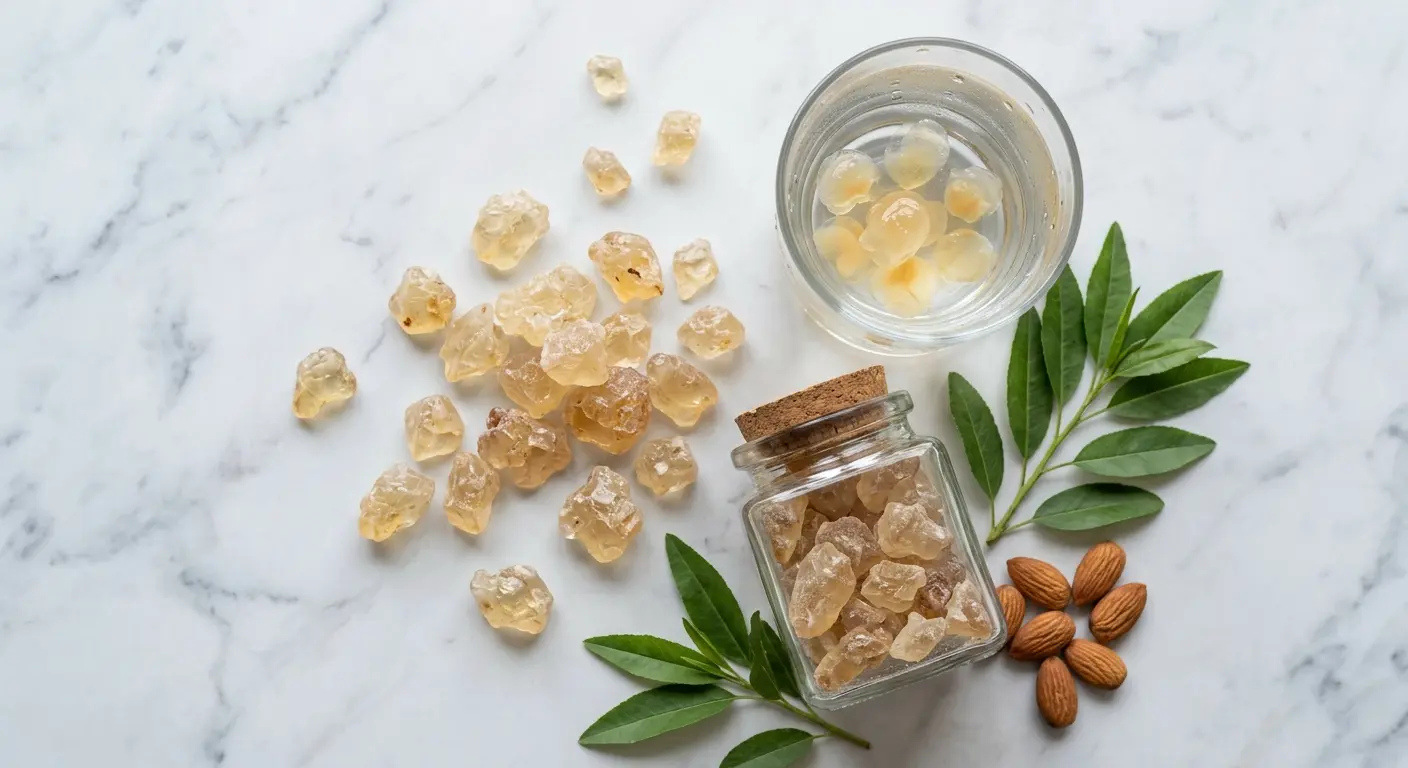
Badam Pisin — also called almond gum, almond resin, or katira-like gum — is a natural resin that the almond tree (Prunus dulcis) produces as a protective response when its bark is cut, cracked, or stressed. The tree releases a thick, sticky sap that oozes from these wounds and gradually hardens on contact with air into irregular, translucent, pale yellow to amber-coloured crystals.
This is not the almond nut, and it is not extracted from almond seeds. Badam Pisin comes specifically from the bark and trunk of the tree — making it botanically and nutritionally distinct from almonds themselves, though it comes from the same plant. Once these hardened crystals are hand-collected, they are sun-dried thoroughly to remove residual moisture (preventing mould and extending shelf life), then sorted and graded before reaching the consumer as the dry, glassy, irregular pieces you find in a packet of Zeylaan Badam Pisin.
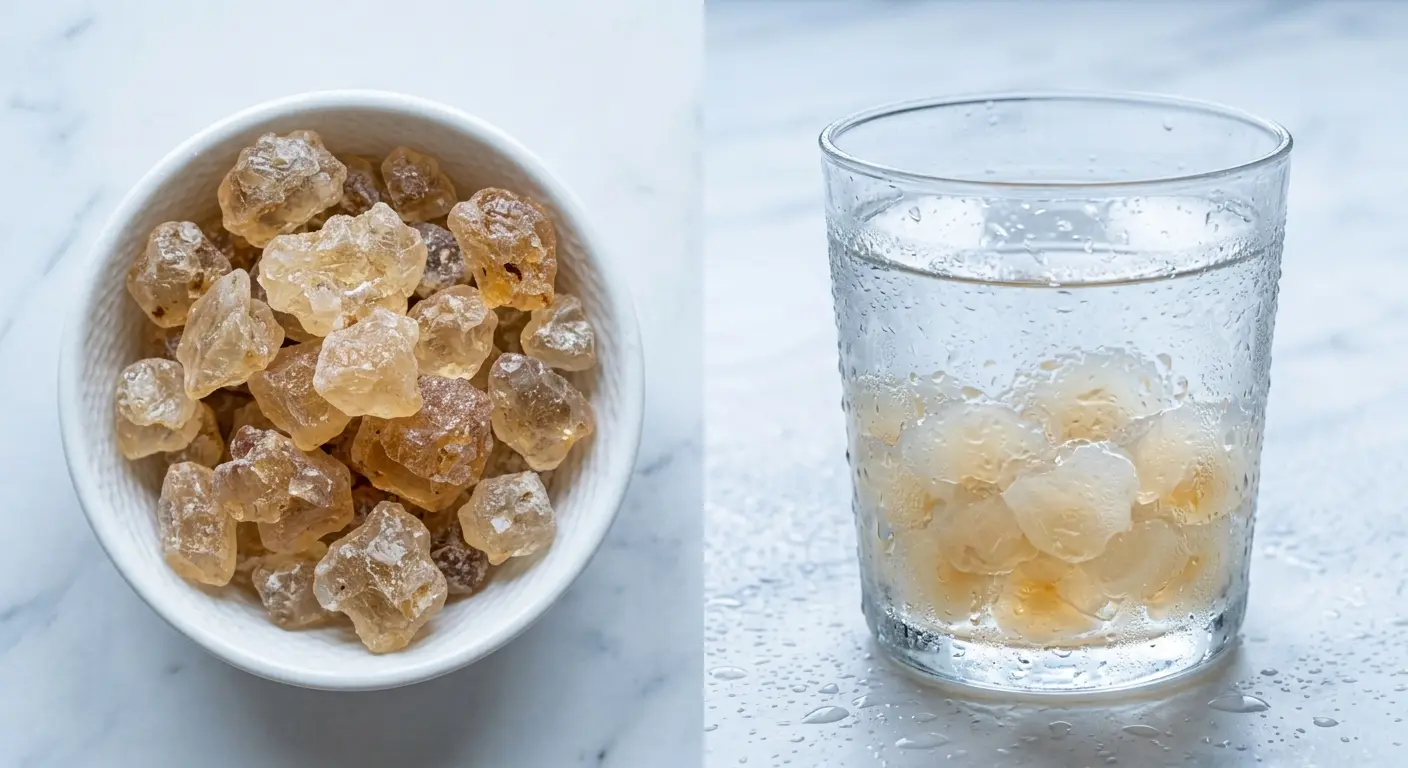
The defining characteristic of Badam Pisin is what happens when you soak it: the dry, hard, glass-like crystals absorb water and swell dramatically, transforming into a soft, translucent, jelly-like substance with a neutral, very mildly nutty taste. This transformation is the entire basis of its traditional cooling use — and the reason it has been a staple of Ayurvedic and Siddha summer wellness practice for thousands of years.
The Science Behind “Natural Body Coolant”: Why Badam Pisin Actually Works
Calling something a “cooling food” can sound like vague traditional wisdom — but in the case of Badam Pisin, there is a clear mechanistic explanation rooted in its chemistry.
Badam Pisin is composed predominantly of complex polysaccharides — specifically arabinogalactans, with the carbohydrate fraction dominated by arabinose (approximately 52%) and galactose (approximately 33%). These polysaccharides have an extraordinarily high water-holding capacity. When soaked, the gum can absorb many times its dry weight in water, swelling into a soft gel that, when consumed, adds significant additional fluid content to whatever food or drink it is mixed into.
In Ayurvedic medicine, Badam Pisin is classified as a sheetal (cooling) substance — used specifically to pacify excess pitta (heat/fire energy) in the body. While Ayurvedic categorization operates on a different framework than Western biochemistry, the practical, observable mechanism aligns well with modern understanding: a gel-forming, water-retaining polysaccharide that increases hydration and fluid intake when consumed is functionally a hydration support food — directly relevant to managing the dehydration risk that drives most heat-related illness during extreme temperature events.
Why this matters during a heatwave specifically: The core danger of extreme heat is not the temperature itself — it is dehydration and the body’s failing ability to cool itself through sweating once fluid reserves drop. Anything that meaningfully supports hydration, electrolyte balance, and fluid retention becomes directly relevant during a heat emergency. Badam Pisin’s exceptional water-binding capacity is precisely this kind of functional food — consumed traditionally across South Asia specifically during the hottest months of the year for this reason.
How to Use Badam Pisin to Beat the Heatwave: Practical Methods
With temperatures soaring across Western and Central Europe, here is exactly how to incorporate Badam Pisin into your daily routine for traditional cooling support — no special equipment, no electricity required.
- 1
Soak Overnight (The Foundation Method)
Place 1–2 teaspoons of Badam Pisin crystals in a glass of room-temperature water and leave covered overnight (8–12 hours), or for a minimum of 4–6 hours during the day. The crystals will swell into soft, translucent jelly pieces roughly 3–4 times their original size — fully ready to eat or drink.
- 2
Add to Buttermilk or Lemon Water
The most traditional preparation: stir soaked Badam Pisin into a glass of chilled buttermilk (chaas) or lemon water. This combination is specifically used across India during the hottest months — the buttermilk’s natural probiotics and the gum’s hydration-supporting polysaccharides work together as a complete cooling, gut-friendly drink.
- 3
Blend Into Cold Smoothies
Add soaked gum directly into a blender with cold milk, yoghurt, or plant milk, frozen fruit, and a touch of honey. The gum disperses through the smoothie, adding texture and the hydrating gel-forming effect without altering the flavour significantly.
- 4
Stir Into Iced Herbal Infusions
Combine soaked Badam Pisin with chilled mint tea, hibiscus tea, or rose water-infused chilled water for a refreshing, traditionally cooling beverage that doubles as both hydration and a gentle wellness ritual during oppressively hot afternoons.
- 5
Add to Chilled Desserts (Falooda-Style)
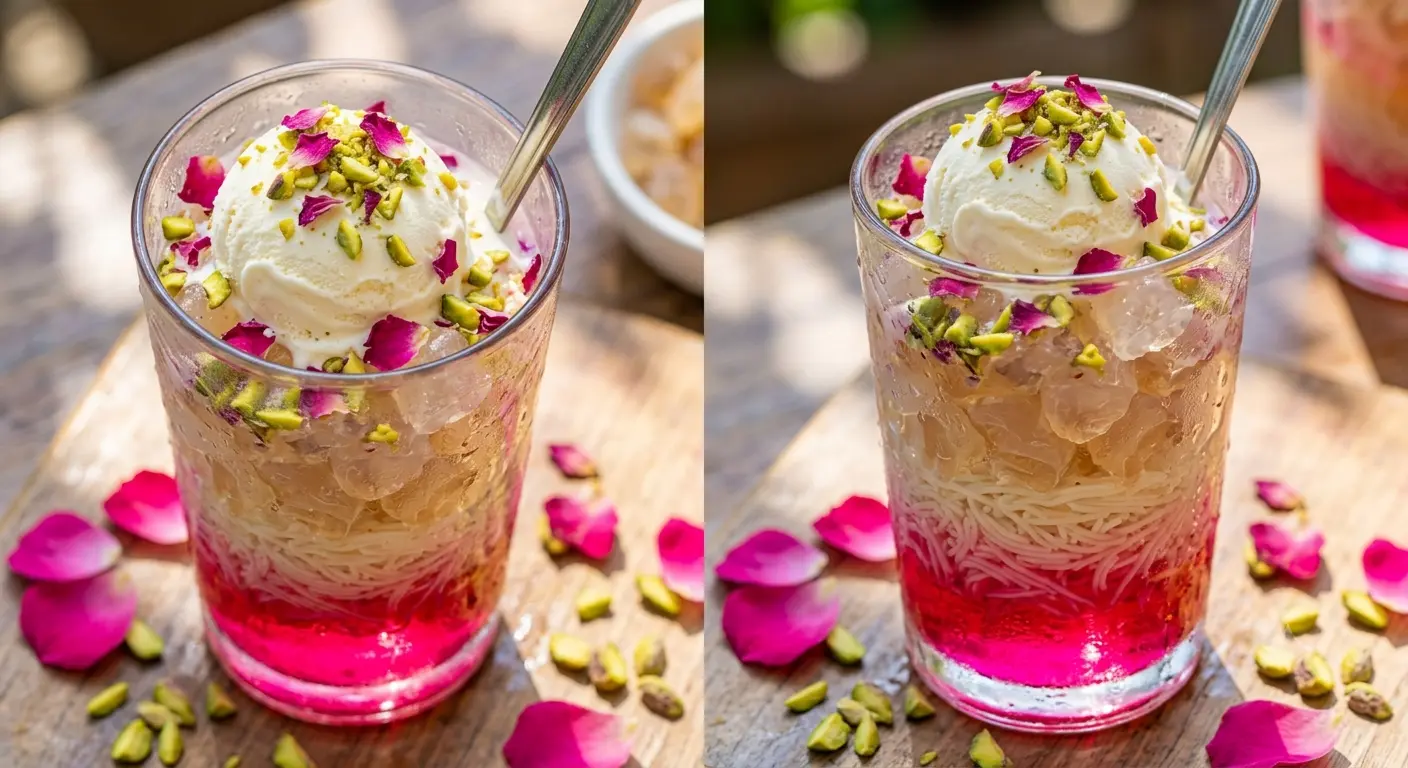
Soaked Badam Pisin is a traditional component of falooda and other South Asian cold desserts — layered with rose syrup, milk, vermicelli, and ice. A perfect, no-cooking-required cooling treat for the hottest part of the day.
Heatwave Survival Recipe: Badam Pisin Cooling Buttermilk
Traditional Badam Pisin Buttermilk (Chaas)
Serves 1 · 5 min active + overnight soak · The classic South Asian heat-relief drink
🧊 Cooling 🥛 Probiotic-rich 🌿 No electricity needed beyond a fridge
- The night before, soak 1 teaspoon of Zeylaan Badam Pisin in a small glass of water. Leave covered at room temperature overnight.
- In the morning, drain any excess water if needed — the gum should be soft, translucent, and roughly 3–4 times its original size.
- In a blender, combine 200ml plain yoghurt with 200ml cold water, a pinch of roasted cumin powder, a pinch of black salt, and a few fresh mint leaves.
- Blend until smooth and frothy.
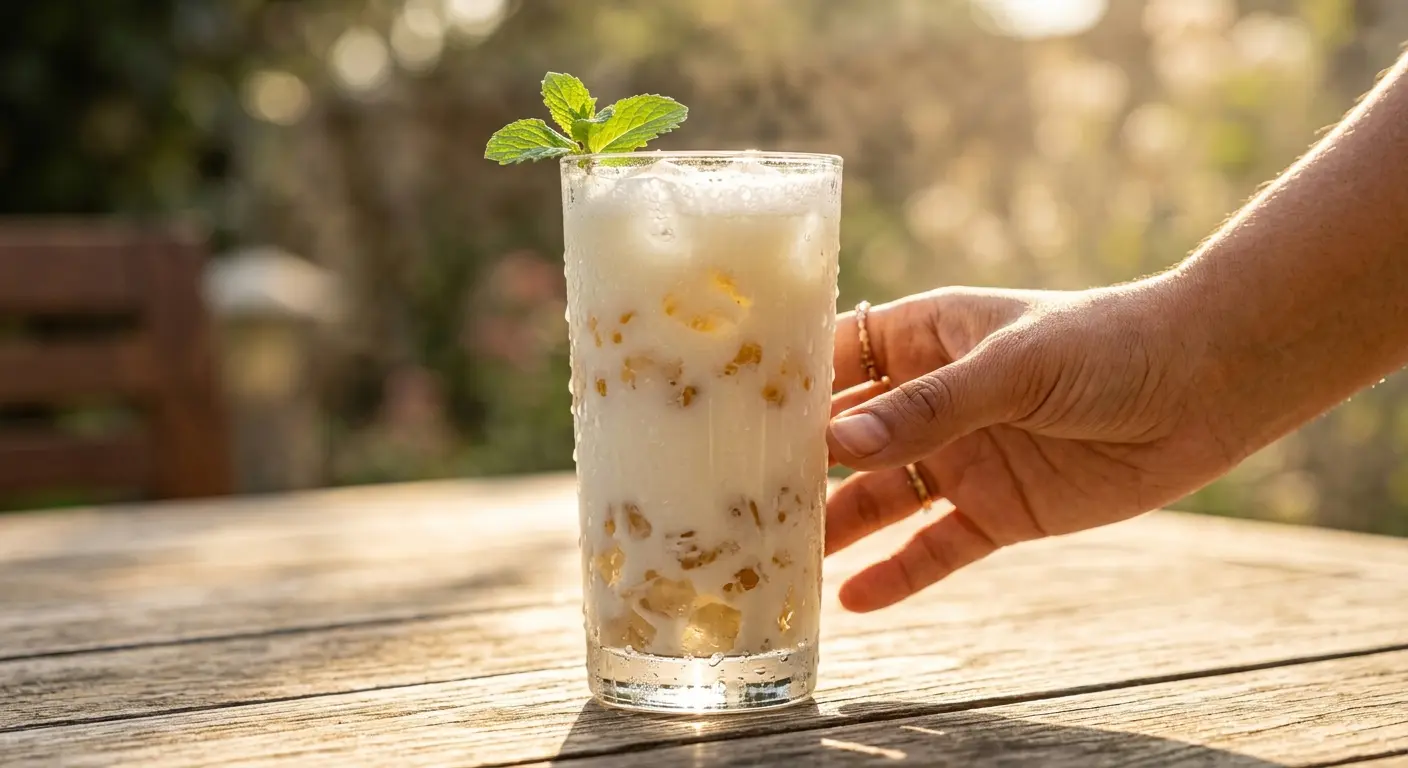
- Pour into a tall glass over ice. Add the soaked Badam Pisin pieces and stir gently — they will float and add a pleasant soft texture.
- Garnish with a mint sprig. Drink slowly, ideally in a shaded or cool indoor space during the hottest hours of the day (typically 12pm–4pm).
Full Product Specifications
| Zeylaan Badam Pisin (Almond Gum) — Complete Product Details | |
| Brand: Zeylaan | Product Name: Badam Pisin (Almond Gum) |
| Available Sizes: 400g/800g | Price Range: $27.99 (400g) – $54.99 (800g) |
| Source: Bark resin of Prunus dulcis (almond tree) | Form: Sun-dried whole crystals |
| Additives: ✅ None — 100% pure | Diet: Vegetarian, Vegan |
| Primary Compounds: Arabinogalactan polysaccharides (arabinose, galactose) | Traditional Classification: Ayurvedic “sheetal” (cooling) substance |
| Storage: Cool, dry place — airtight container | Ships To: 28+ countries worldwide |
Badam Pisin Benefits: Beyond Cooling
While its cooling properties are the most relevant benefit during a heatwave, Badam Pisin has a wide range of documented traditional and emerging research-supported benefits worth understanding fully:
💧
Hydration & Heat Relief
The primary benefit during extreme heat. Its high water-holding polysaccharide content increases fluid intake and supports the body’s hydration status — directly relevant to preventing heat exhaustion symptoms when combined with adequate plain water intake.
🍽️
Appetite & Weight Management
Badam Pisin is low in calories and high in soluble fibre, which creates a feeling of fullness and may help reduce snacking cravings. Research, including a study on bitter almond gum supplementation, has shown reductions in body mass index and serum triglycerides in overweight individuals over a six-week intervention period.
💚
Digestive Health
The polysaccharides act as a demulcent — forming a soothing, protective layer over the digestive tract lining. This helps reduce acidity, heartburn, and irritation, while the gum’s prebiotic potential may support the growth of beneficial gut bacteria, easing bloating and supporting regular digestion.
❤️
Cholesterol & Heart Health
Soluble fibre in Badam Pisin has been associated with reduced LDL (“bad”) cholesterol and modest increases in HDL (“good”) cholesterol. The flavonoids and phenolic acids present may support lipid metabolism pathways relevant to cardiovascular health.
✨
Skin Health
Badam Pisin’s antioxidant content helps protect skin from oxidative stress. Its moisture-retaining polysaccharides make it a valued ingredient in natural skin hydration preparations, and traditional use includes it for supporting skin texture and slowing visible signs of aging.
🦠
Antimicrobial Properties
Laboratory research has identified antibacterial activity against pathogens including E. coli, Staphylococcus aureus, and Salmonella, along with antifungal activity against Candida albicans — supporting the gum’s traditional reputation as a protective, immune-supportive food.
| Important note: Badam Pisin is a traditional functional food, not a pharmaceutical product. Many of its benefits are supported by centuries of Ayurvedic and Siddha use alongside preliminary modern research, but larger human clinical trials remain limited. It should complement — not replace — adequate water intake, electrolyte management, and appropriate medical care, especially during genuine heat emergencies. |
How to Use Badam Pisin: Every Application
🥛
Buttermilk / Chaas
The classic South Asian summer drink. Soaked gum stirred into spiced buttermilk for a complete cooling, gut-friendly beverage.
🍋
Lemon Water
Add soaked gum to chilled lemon water for a refreshing, mildly textured hydration drink — simple and effective.
🥤
Smoothies & Shakes
Blend into fruit smoothies, milkshakes, or plant-based shakes for added texture and hydrating benefit without altering taste.
🍮
Falooda & Cold Desserts
A traditional ingredient in falooda, kheer, and other chilled South Asian desserts — adding texture and traditional cooling character.
🧴
DIY Skin Masks
Soaked gum can be blended into homemade face masks for its moisture-retaining, antioxidant-rich properties — a traditional beauty application.
🍯
Energy Balls / Laddoo
Ground dry gum (sometimes lightly fried in ghee first) is used in traditional Indian energy balls (gond ke laddoo) — though this preparation is typically for winter warmth rather than summer cooling.
Badam Pisin vs Gond Katira: What’s the Difference?
“Gond katira” is a closely related and frequently confused natural cooling gum — understanding the distinction helps you choose the right product for your needs.
| Feature | Badam Pisin (Almond Gum) | Gond Katira (Tragacanth Gum) |
| Botanical Source | Bark resin of almond tree (Prunus dulcis) | Sap of Astragalus shrub species |
| Appearance (Dry) | Amber, glassy, irregular crystals | White-cream, flat, ribbon-like flakes |
| Soaking Texture | Translucent, soft jelly pieces | Thicker, more mucilaginous gel |
| Flavour | Very mild, faintly nutty | Virtually neutral |
| Cooling Use | ✔ Widely used for body cooling | ✔ Also widely used for cooling |
| Typical Origin | South Asia, Mediterranean almond regions | Iran, Turkey, Middle East |
| Common Pairing | Buttermilk, smoothies, falooda | Sherbet, falooda, milk-based drinks |

How Badam Pisin Is Harvested and Processed
Understanding the harvesting process explains both the gum’s natural variability and its premium, artisanal character:
- Natural secretion: Almond trees release this gum naturally as part of their protective response when bark is cut, cracked, or stressed by environmental factors.
- Hand collection: Once the secreted gum has dried and hardened on the tree’s surface, it is hand-collected by harvesters — a labour-intensive, sustainable process that does not harm the tree.
- Sun-drying: The collected raw gum is thoroughly sun-dried to remove residual moisture, which is essential for preventing fungal growth and ensuring a long shelf life.
- Sorting and grading: Pieces are sorted by size, colour, and clarity. Zeylaan sources only well-sorted, clean, properly dried Badam Pisin free of bark fragments or debris.
What Customers Are Saying
Customer Feedback — Zeylaan.com
⭐⭐⭐⭐⭐
“I had never heard of almond gum before, but a friend recommended it during the heatwave. Soaked it overnight and added it to buttermilk the next morning — genuinely refreshing, and it’s become part of my daily routine until this heat finally breaks.”
— Verified Customer · Recent Purchase
Frequently Asked Questions
What is Badam Pisin and is it the same as almonds?
Badam Pisin, also called almond gum, is a natural resin that oozes from the bark of the almond tree (Prunus dulcis) when it is cut or cracked. It is not the same as the almond nut or seed — it comes from the tree’s trunk and branches, not from its fruit. The hardened resin is collected, sun-dried, and sold as irregular amber-coloured crystals. While it shares the same plant origin as almonds, its composition (predominantly arabinogalactan polysaccharides) is entirely different from the almond nut’s fat and protein-rich profile.
How does Badam Pisin help during a heatwave?
Badam Pisin’s primary compounds — arabinogalactan polysaccharides — have an exceptionally high water-holding capacity. When soaked, the dry crystals absorb significant amounts of water and swell into a soft gel. Consumed in drinks like buttermilk or lemon water, this supports overall hydration and fluid intake — directly relevant during extreme heat when dehydration risk is highest. In Ayurvedic tradition, it is classified as a “sheetal” (cooling) substance, used specifically during the hottest months across South Asia for centuries. It should complement, not replace, adequate plain water intake and appropriate precautions during extreme heat.
How do I prepare Badam Pisin?
Soak 1–2 teaspoons of dry Badam Pisin crystals in a glass of room-temperature water, covered, for at least 4–6 hours (ideally overnight). The crystals will swell dramatically into soft, translucent, jelly-like pieces. Once soaked, they can be added to buttermilk, lemon water, smoothies, cold desserts like falooda, or simply eaten as-is. Do not consume the gum dry without soaking — it must be properly hydrated first.
Are there any side effects or precautions with Badam Pisin?
Badam Pisin is generally well-tolerated when consumed in normal culinary quantities (1–2 teaspoons per day, properly soaked). As with any new food, introduce it gradually to assess personal tolerance — some people may experience mild digestive adjustment initially. People with known almond or tree-derived product allergies should exercise caution and consult a healthcare professional before use. Pregnant or breastfeeding individuals, and those with existing health conditions, should consult a doctor before adding any new supplement to their routine. It should not be used as a substitute for emergency heat illness treatment.
What is the difference between Badam Pisin and Gond Katira?
Both are natural cooling gums used traditionally in South Asian cuisine, but they come from different plants. Badam Pisin comes from the almond tree’s bark. Gond Katira (tragacanth gum) comes from Astragalus shrub species, primarily grown in Iran, Turkey, and the Middle East. Gond Katira tends to form a thicker, more viscous gel when soaked, while Badam Pisin produces a softer, more delicate jelly texture. Both are used similarly — in buttermilk, sherbets, and cooling summer drinks — and can often be used interchangeably depending on availability and personal preference.
Can Badam Pisin help with weight management?
Badam Pisin is low in calories and high in soluble fibre, which can promote a feeling of fullness and help reduce unnecessary snacking when consumed before meals (for example, in a glass of buttermilk or lemon water). A clinical study on bitter almond gum supplementation in overweight individuals with hyperlipidemia showed reductions in body mass index and serum triglycerides over a six-week period. It should be used as part of a balanced diet and active lifestyle, not as a standalone weight-loss solution.
How should I store Badam Pisin and how long does it last?
Store dry Badam Pisin crystals in a cool, dry place in a sealed, airtight container, away from direct sunlight and moisture. Properly stored dry crystals have a long shelf life of 12–24 months. Once soaked, prepared (wet) gum should be refrigerated and used within 2–3 days for best quality and food safety.
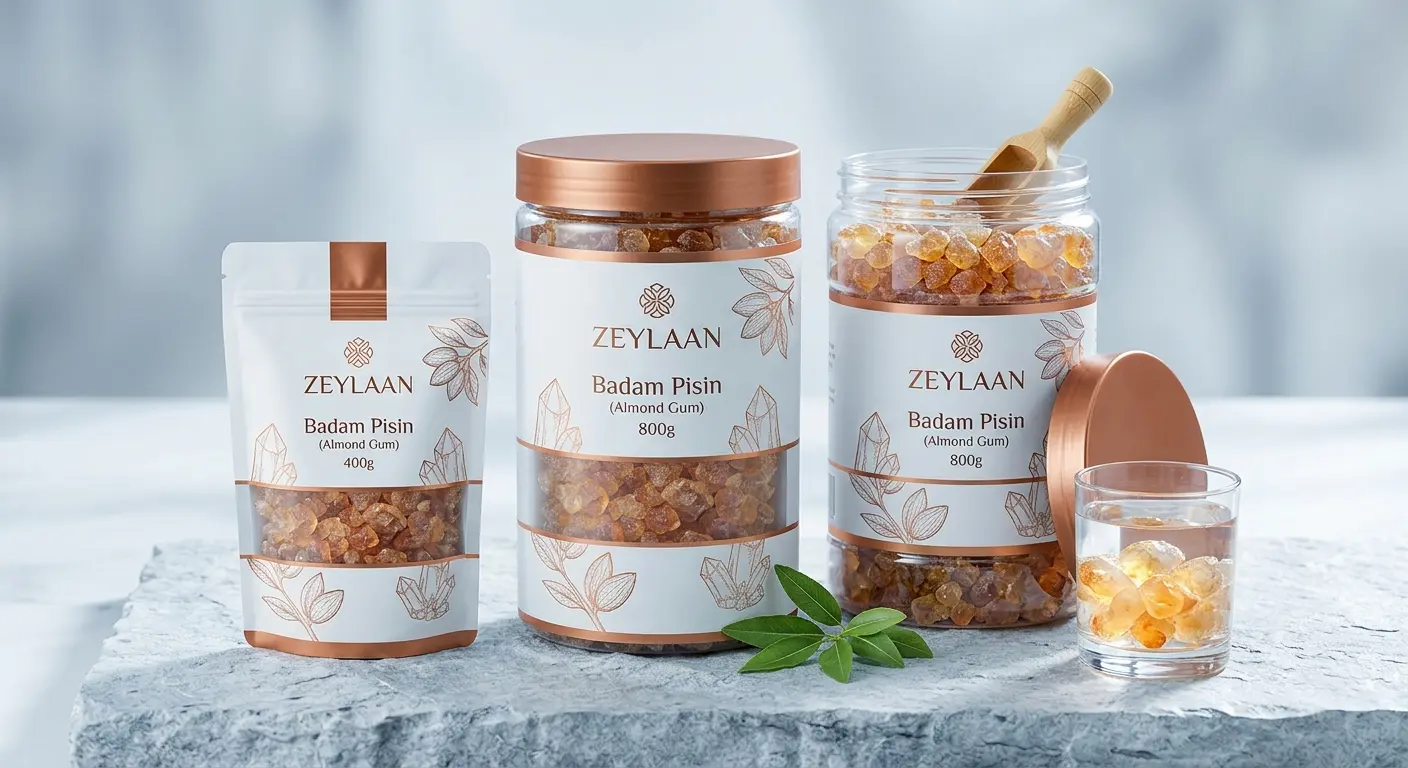
Beat the Heat the Natural Way
100% Pure Badam Pisin · Zero Additives · Ayurveda’s Traditional Cooling Remedy
Shipped from Sri Lanka to 28+ countries — wherever the heat finds you
Have Questions About This Product?
Need more details, bulk pricing, custom orders, or worldwide shipping information? Our team at Zeylaan is here to help.
🌐 Website: https://www.zeylaan.com
📧 Email: hello@zeylaan.com
📲 WhatsApp Support: +94 72 470 7185
🚚 Global Shipping Available
🔒 Secure Payments & Trusted Service
We are committed to transparent communication, authentic sourcing, and a smooth shopping experience from Sri Lanka to the world.
👉 Contact Zeylaan with confidence before you buy.